The Ballet Has Begun – With a Little Extra

Herons finally arrived and I spent the afternoon with warming up for the season. This year will be radically different from the previous ones because of the rig I use. The issue with photographing herons at this specific location is that they land at varying distances. This usually means frequent teleconverter and body changes, and lots of inadvertently cut wings and feet.

But not this time. The 5DS R has more than enough resolution for cropping if the bird lands further away while I can avoid truncating vital parts with closer landings thanks to the full frame sensor. I’m using the EF 500mm f/4L IS USM with the 1.4x III teleconverter.

Purple Heron Landing Ballet

Purple Heron Landing Ballet

Images are also much better from the 5DS R than they were from the 7D Mark II and 5D Mark III used for the last couple of years. Not to mention the ancient 1D Mark II… Frame rate is a bit slow sometimes, but still manageable. The real problem is that emptying the buffer to the card may take a lot of time even with a speedy 1066x Lexar CF. This is one point where I expect the 1D X Mark II to do wonders.

Besides the herons, a bunch of bearded tits were also hanging out in the reeds. They are funny little birds and I really enjoy working with them. So much that I missed quite a few heron landings.

Bearded Tit - Another Take

Bearded Tit – Another Take

The light was great, so why not take advantage of the situation and the cooperating birds? Heck, I already have a ton of great heron landing images…

While Waiting

I’m waiting for several things to arrive. For egrets, herons, and my 1D X Mark II. And while waiting, I’m sifting through last year’s images. The one below was made with the 7D Mark II and the then new EF 500mm f/4L IS II USM lens (plus the 1.4x III teleconverter).

Egret Landing

Egret Landing

This is a deadly combination that brought me a bunch of great images during the last twelve months. I’m curious whether the 1D X Mark II will replace the 7D Mark II in my bag. Weight, size, reach, convenience are all factors – not just speed and image quality. I’m really really curious. But don’t worry, I’ll let you know once the 1D X Mark II is in my hands.

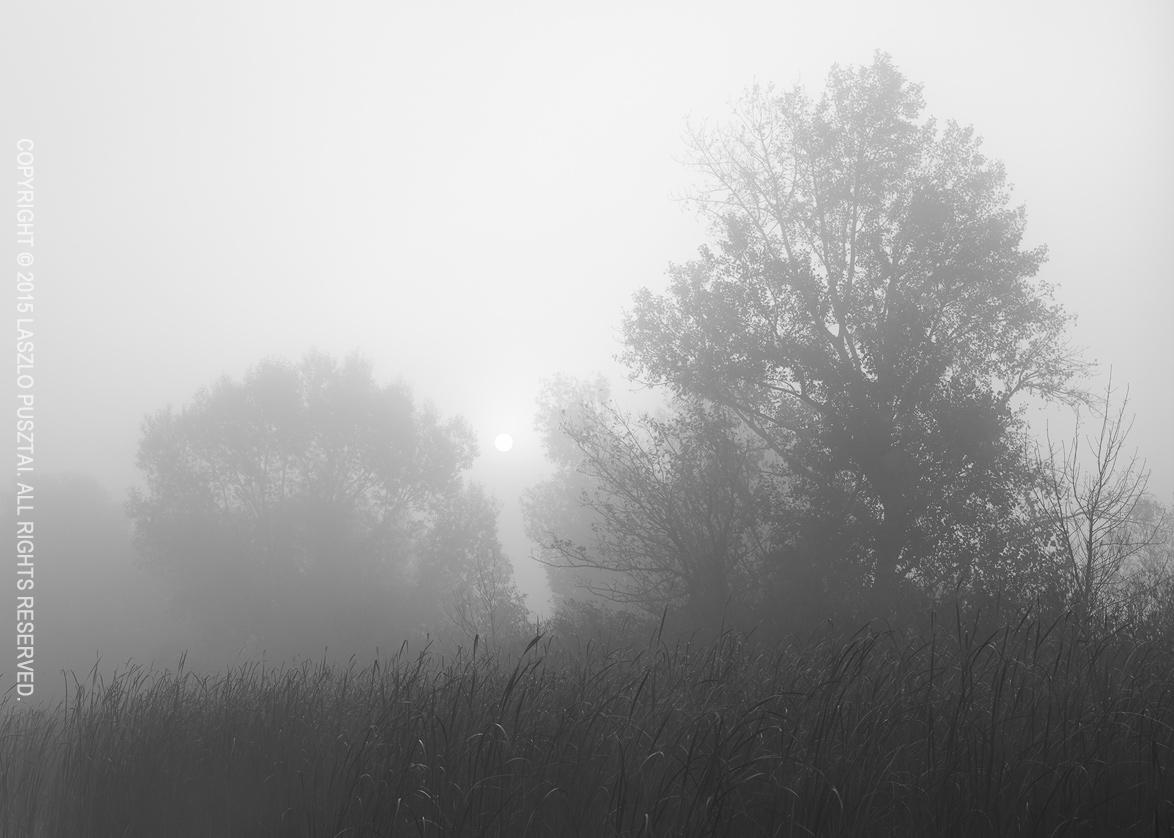
Imminent Storm

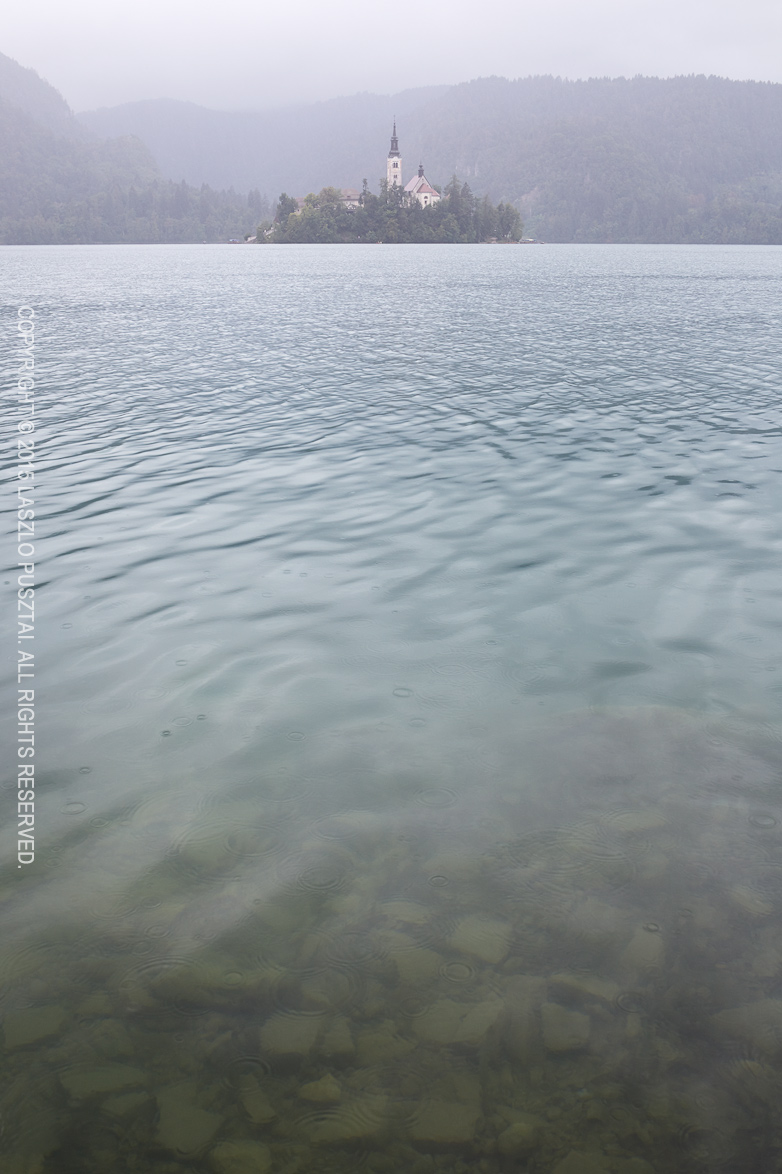
On the evening of April 1st, a serious gale hit Lake Tisza. Of course I was out on the lake looking for images. After the first gusts I decided that it’s better to pack and go. But… I quickly made a few frames.

Imminent Storm

Imminent Storm

I wouldn’t have thought that one of my strongest images will lurk among those. It’s a huge departure from my usual style. It’s an image straight out of the camera – even the slightest post processing attempt weakened it.

Unfortunately the web sized reproduction does not let it go through entirely – and even the large version needs time to fully appreciate it. Look at the image. Let is sink. Smell the oncoming storm.

Oh yes, shot with the Zeiss Otus 1.4/55 on the Canon 5DS R. I can hardly wait to see it on large canvas.

Spring is Approaching

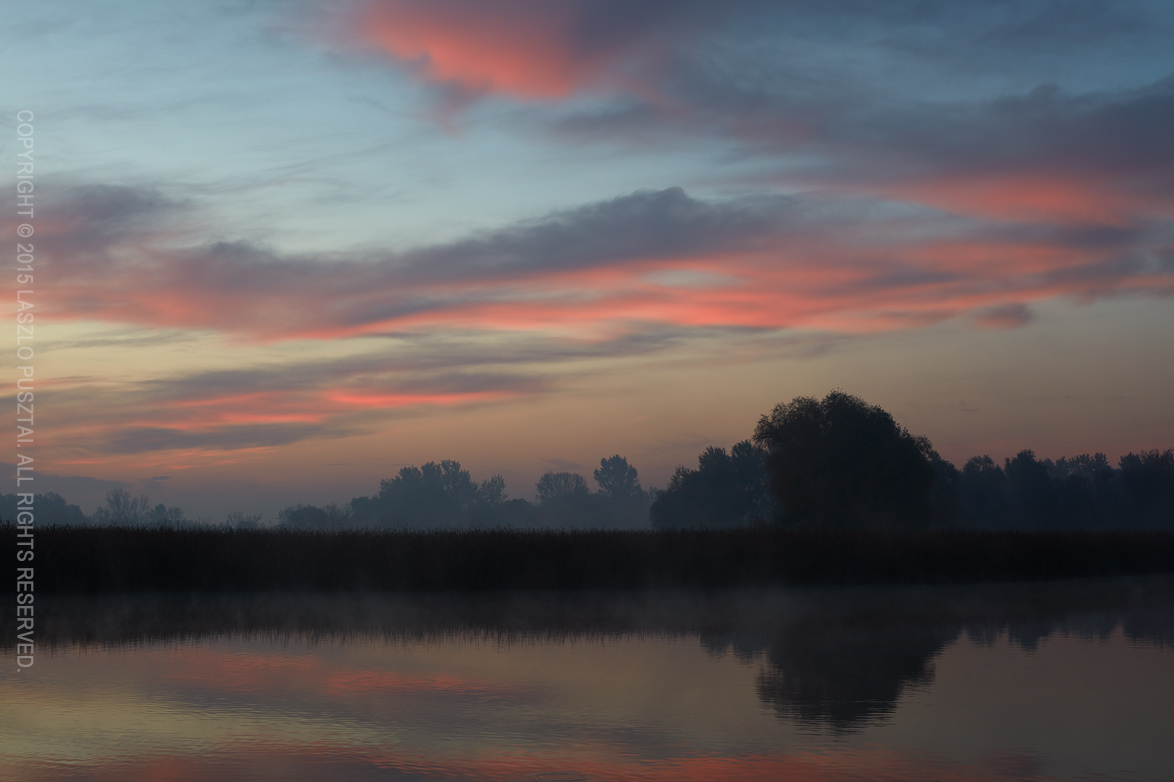
Spent the last weekend on Lake Tisza. It was clear that spring is approaching, but everything was still a bit dormant. Bulrush and reed haven’t turned to green yet, and birds were scarce. A few weeks and this place will be noisy from herons building their nests. But at the moment it’s tranquil, only the reeds rustling in the wind.

Spring is Coming

Spring is Approaching

Shot with the Canon 5DS R and Zeiss Otus 1.4/55. This image is a good example when one doesn’t need an extremely sharp lens – yet the Otus excels with its transparent and airy rendering. Also used a LEE Little Stopper to lenghten the exposure.
Focus Stacking with the Otus 1.4/28

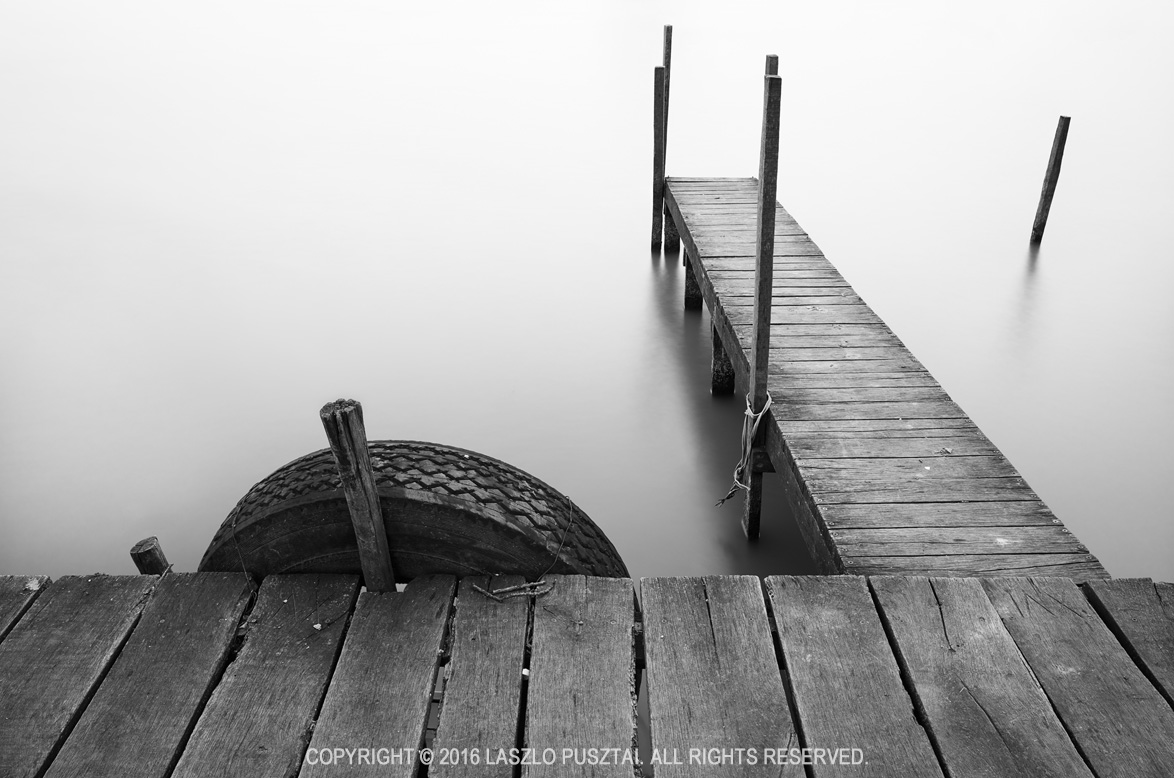
Last weekend I had a little time to play with the Otus 1.4/28. I was at Lake Tisza, but the light was suboptimal to put it mildly. So I decided to make a test shot to check how focus stacking will work with the Otus 28.

Why would you need focus stacking in the first place with such a wide angle? Well, if you have a brutal 50 megapixel sensor, with a lens that’s sharper in the corners than most lenses in the center, you don’t want to throw that resolution away by stopping down below the diffraction limit.

For this test I ended up using f/6.3 and taking 6 slices.

Early Spring Pier, Lake Tisza

Early Spring Pier, Lake Tisza

It was a quite a bit windy, and I wanted to smooth out the waves using the 10-stop LEE Big Stopper. I had to realize that I ran out of gaffer tape (unfortunately the Big Stopper on the Otus 28 leaves quite a gap at the sides), so I used my heavy cotton dark cloth to keep unwanted light from hitting the front element.

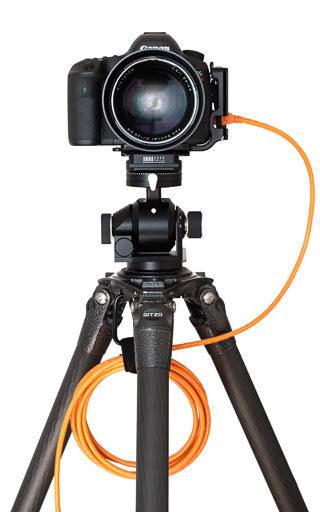
The dark cloth covered the entire camera, but it was quite easy to focus on the 11″ screen of my MacBook Air using Kuuvik Capture. The images were focus stacked in Photoshop CC.

And the result? Perfect front-to-back, corner-to-corner sharpness. It’s simply amazing.

Fall Stream Reflection

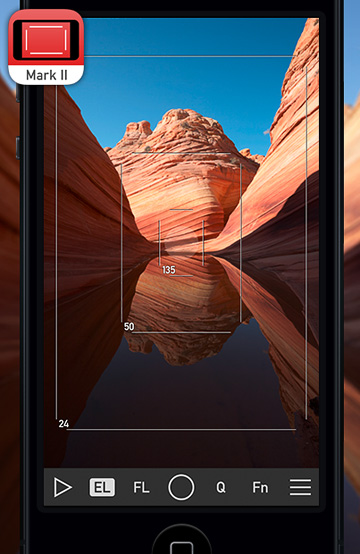
I’ve noticed this scene while walking along a stream in the woods of Zemplen. I was using the Mark II Artist’s Viewfinder to hunt for images, and even looking on the screen of my iPhone 6 Plus showed that the shot will be a tricky one.

Why? Because of leaves floating around in the water. And most of those leaves were downright ugly. So I had no choice but to grab the LEE Big Stopper and go for a very long exposure.

Fall Stream Reflection

Fall Stream Reflection

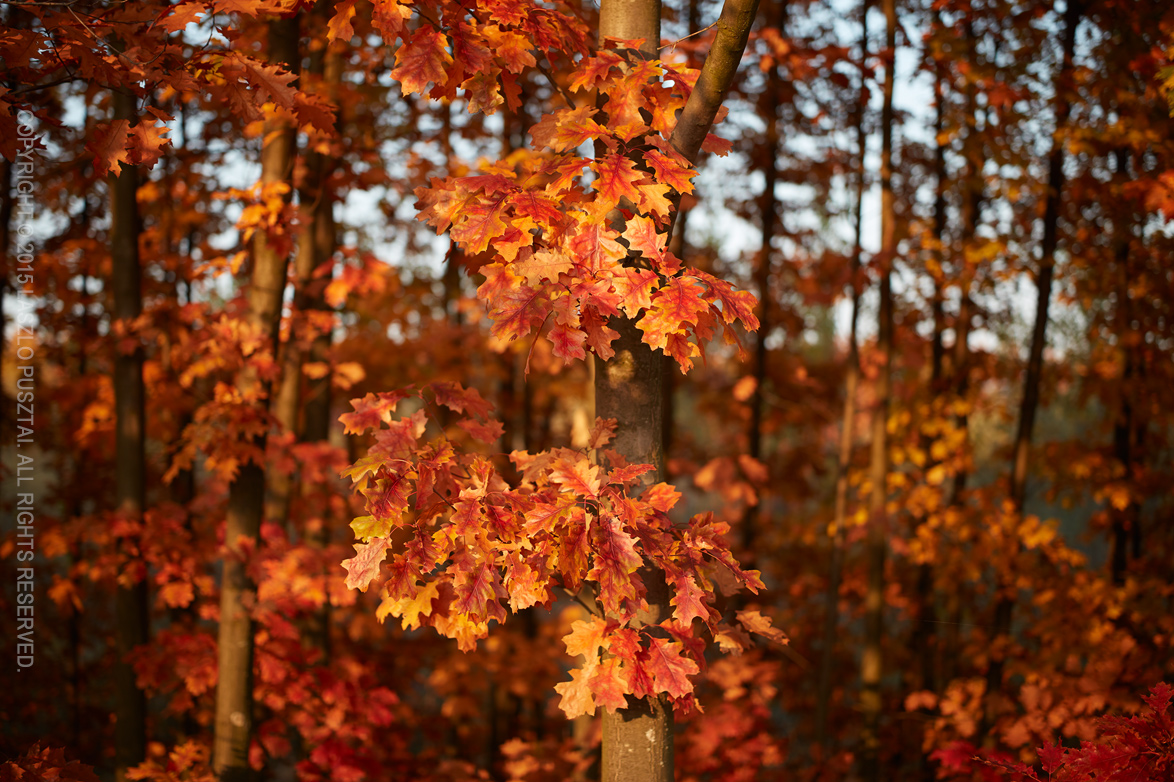
At 135mm, I had to stop down to f/22 for appropriate depth of field. While I wouldn’t do that normally because of the sharpness killing effect of diffraction, here it was only part of the overall softness. Moving water also reduced sharpness and the reflecting fall foliage was deliberately left slightly out of focus. Nevertheless, a healthy dose of deconvolution sharpening was applied to restore detail.

But back to the long exposure. It was 6 minutes and 40 seconds. Floating ugly leaves left no trace at all. As usual I shot tethered to Kuuvik Capture 2, so fine tuning bulb exposure length was a piece of cake.