Yet Another Puffin Portrait

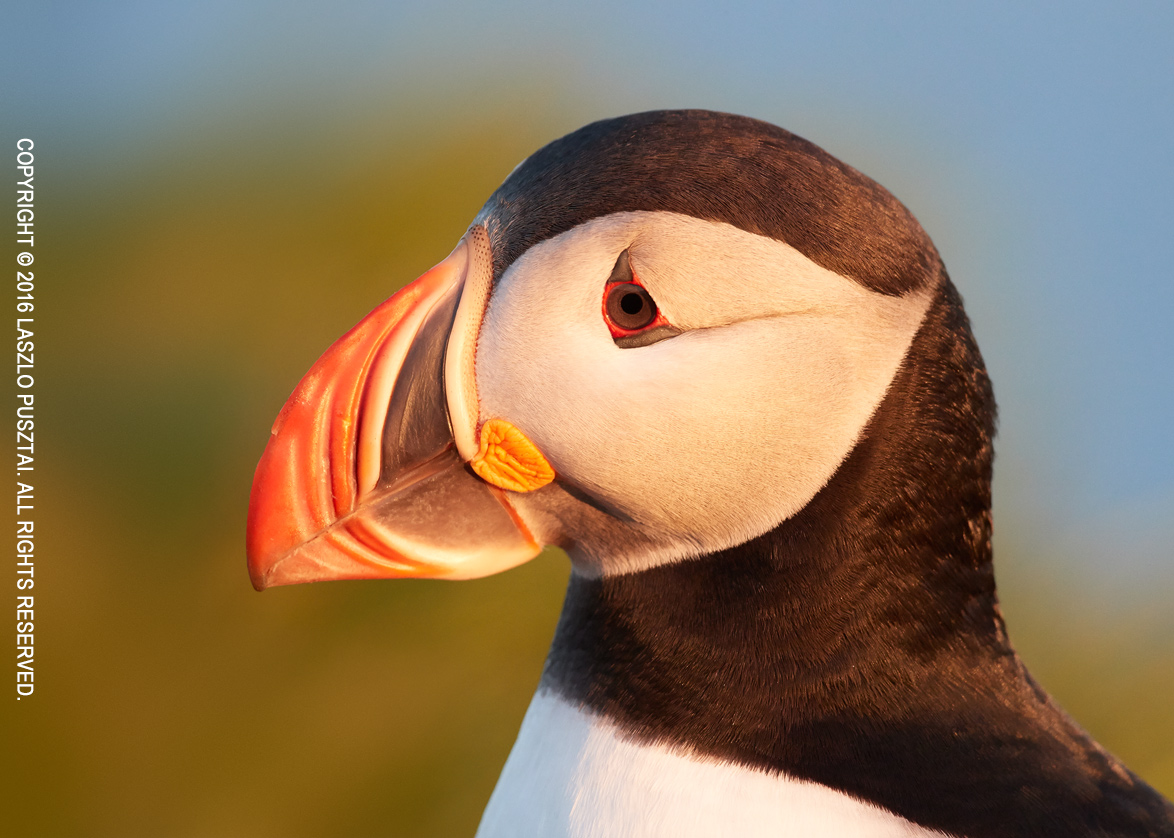
I can’t help it – I like to shoot puffin portraits. Over time you see so many different faces, different personalities, different, but untold stories. The image below is one of my all time favorites.

It was shot at Látrabjarg, and I was quite shocked how much the bird colony shrunk during the last decade. And again, lots of people everywhere. Interestingly, tourists tend to cluster in all the wrong places – I was completely alone with 5-6 birds for an hour or so. In ideal light, ideal angle, ideal background. But this place was not marked with a “Lay here to photograph the birds” sign…
Yet Another Puffin Portrait

Yet Another Puffin Portrait

Shot with the Canon 1D X Mark II and 500mm f/4L IS II lens plus the 2x III teleconverter. It’s amazing how clear this ISO 1600 image is – not to mention the lovely colors.
The Ballet Has Begun – With a Little Extra

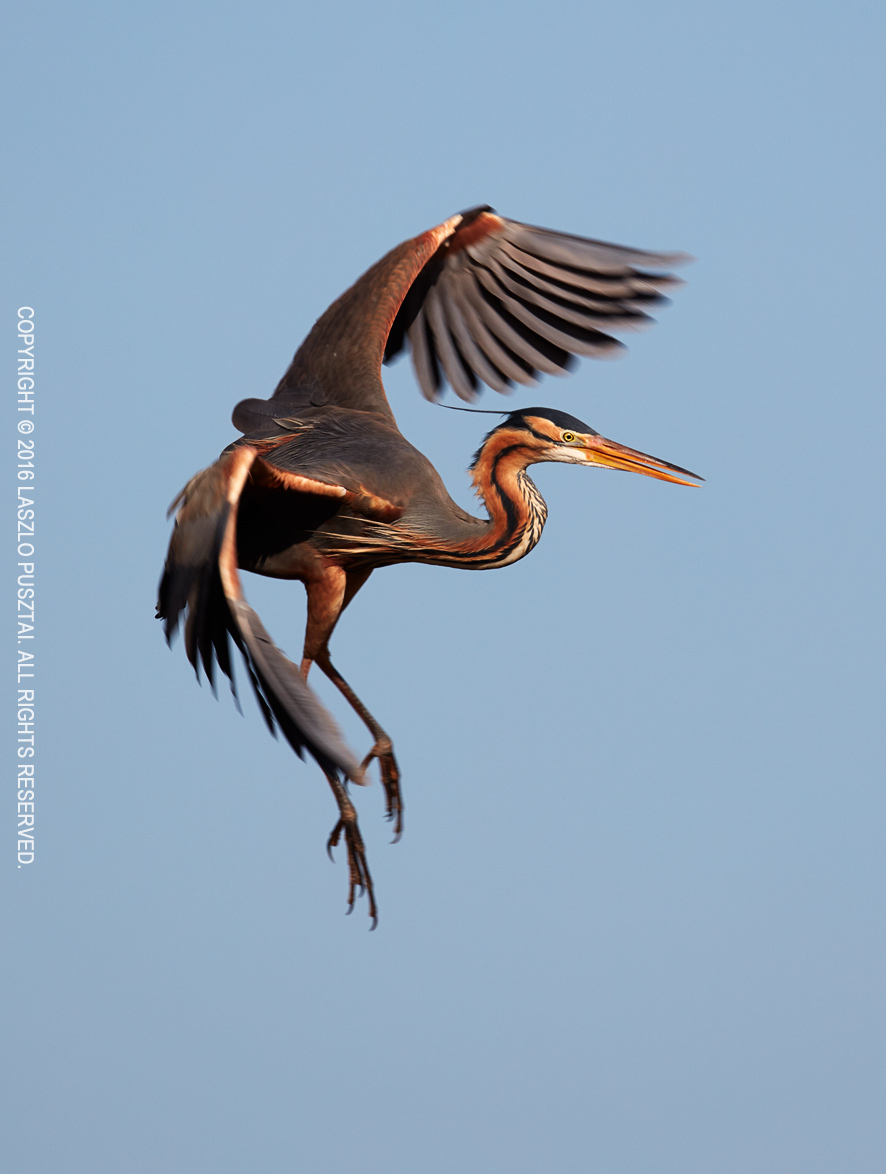
Herons finally arrived and I spent the afternoon with warming up for the season. This year will be radically different from the previous ones because of the rig I use. The issue with photographing herons at this specific location is that they land at varying distances. This usually means frequent teleconverter and body changes, and lots of inadvertently cut wings and feet.

But not this time. The 5DS R has more than enough resolution for cropping if the bird lands further away while I can avoid truncating vital parts with closer landings thanks to the full frame sensor. I’m using the EF 500mm f/4L IS USM with the 1.4x III teleconverter.

Purple Heron Landing Ballet

Purple Heron Landing Ballet

Images are also much better from the 5DS R than they were from the 7D Mark II and 5D Mark III used for the last couple of years. Not to mention the ancient 1D Mark II… Frame rate is a bit slow sometimes, but still manageable. The real problem is that emptying the buffer to the card may take a lot of time even with a speedy 1066x Lexar CF. This is one point where I expect the 1D X Mark II to do wonders.

Besides the herons, a bunch of bearded tits were also hanging out in the reeds. They are funny little birds and I really enjoy working with them. So much that I missed quite a few heron landings.

Bearded Tit - Another Take

Bearded Tit – Another Take

The light was great, so why not take advantage of the situation and the cooperating birds? Heck, I already have a ton of great heron landing images…

While Waiting

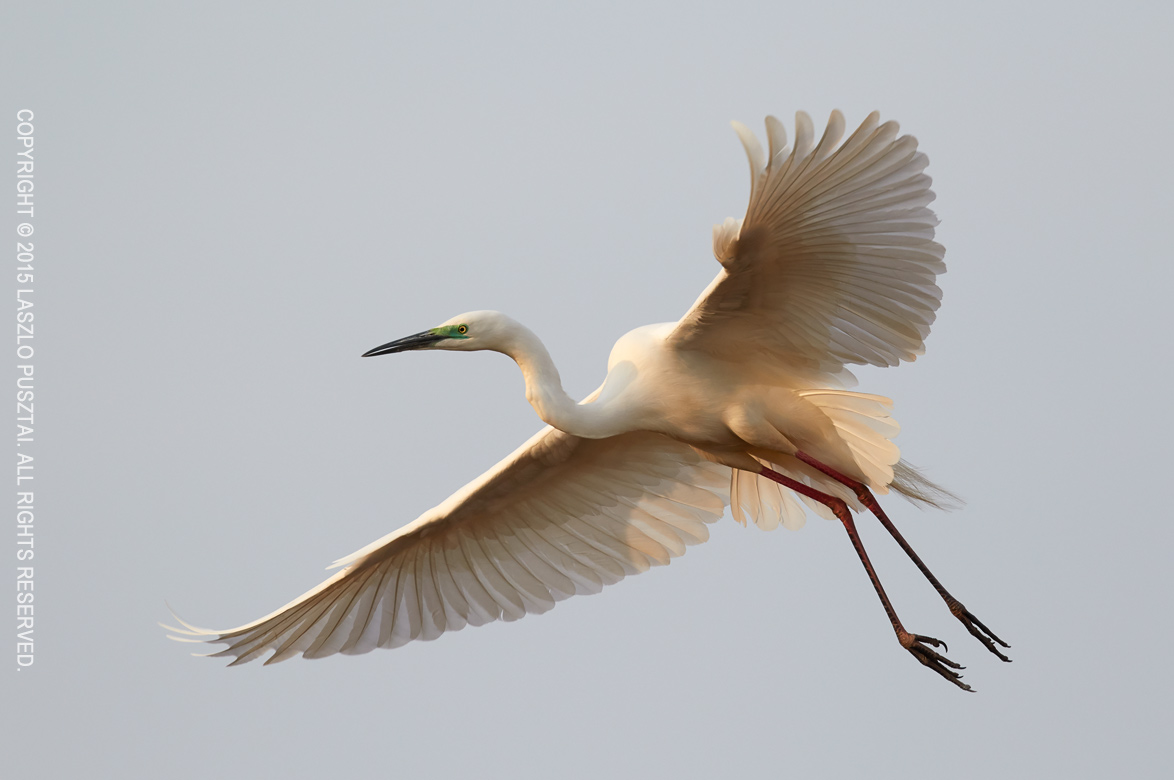
I’m waiting for several things to arrive. For egrets, herons, and my 1D X Mark II. And while waiting, I’m sifting through last year’s images. The one below was made with the 7D Mark II and the then new EF 500mm f/4L IS II USM lens (plus the 1.4x III teleconverter).

Egret Landing

Egret Landing

This is a deadly combination that brought me a bunch of great images during the last twelve months. I’m curious whether the 1D X Mark II will replace the 7D Mark II in my bag. Weight, size, reach, convenience are all factors – not just speed and image quality. I’m really really curious. But don’t worry, I’ll let you know once the 1D X Mark II is in my hands.

Photographing Grebes with the 5DS R

The 5DS R became my main camera the instant I got my hands on it. Honestly, I thought that it will somehow augment either the 7D Mark II or the 5D Mark III as a high-res landscape camera, while one of those will remain my wildlife camera. I was wrong.

The 5DS R has so many seductive qualities that I tend to forget all its shortcomings and difficulties (more on those later).

Colors are bold and thanks to the anti-aliasing cancellation filter it can produce lovely crisp images. Such as the following one.

aaa

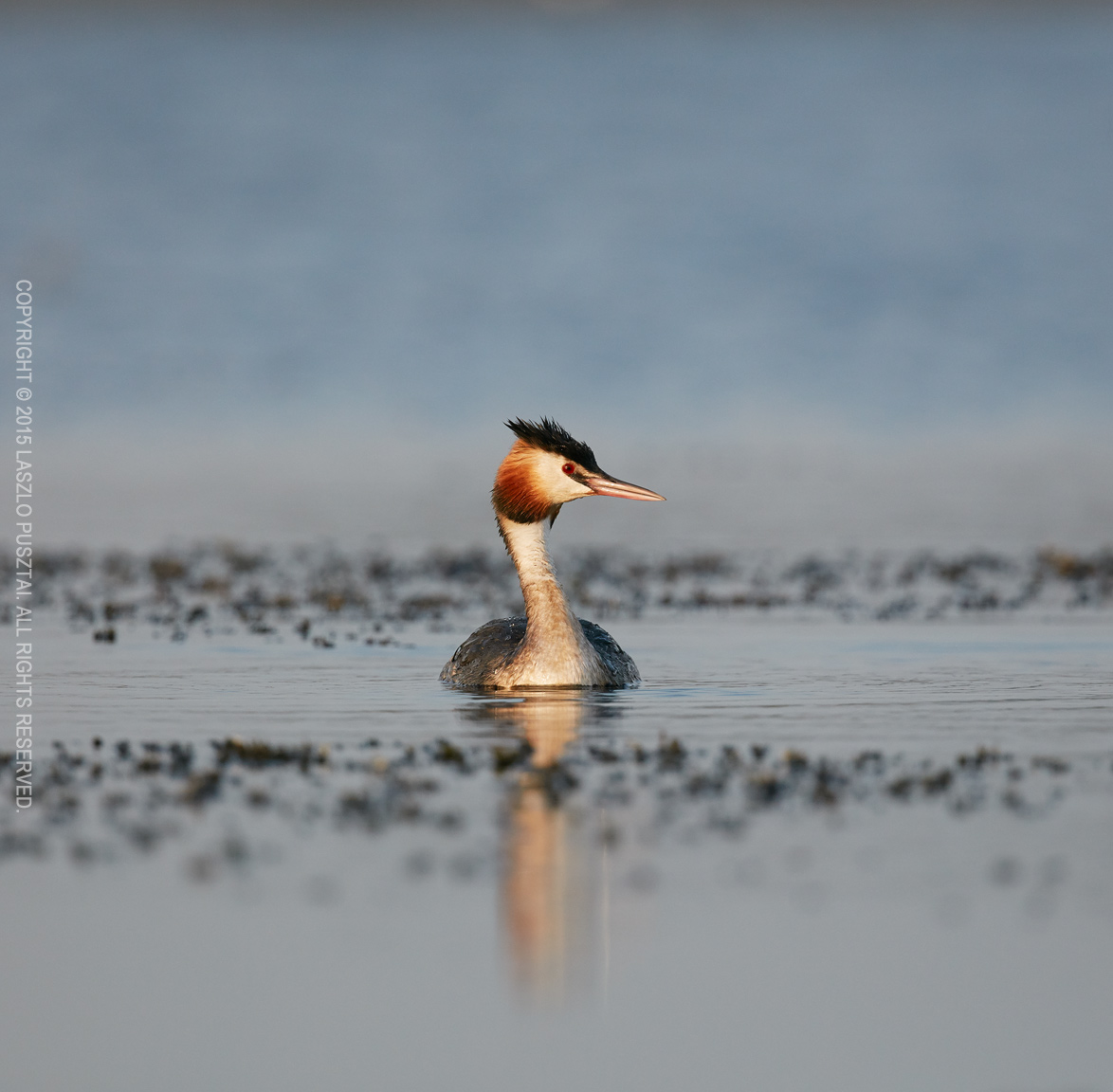
A moment before diving

It was taken in early morning light with the Canon 500/4 IS II lens and the 1.4x III teleconverter. It’s a moderate crop of about 26 megapixels – still enough for a 40×60 cm print. Yes, you can crop the hell out of these files, and still retain a huge amount of details due to the lack of AA filtering.

Some of my former grebe images are 6-8 megapixels from the 1D Mark II… So its a huge increase in usage flexibility.

Of course those huge files have a few consequences you have to live with. First, the 5DS R feels like a medium format camera. From the sound of the mirror to the time it needs to display an image on the LCD. It feels like you travel a decade back in time… Press the play button and wait… Also I haven’t experienced buffer full issues since the 1D Mark II – but run into that quite a lot even using 1066x Lexar CF cards.

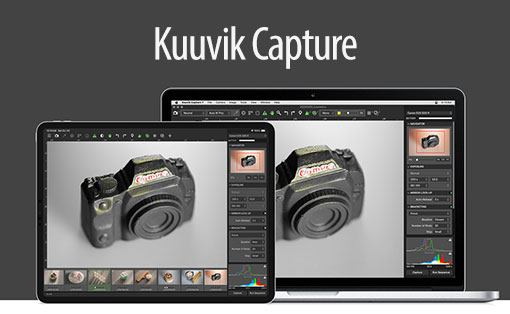
You also need more time to cull a shoot. Fortunately I have an app for that: with Kuuvik Capture 2 I can sift the daily crop of 1500-2000 images pretty quickly. An old friend of mine was sitting besides me last morning and was surprised how fast the app deals with 50 MP files (and this was on a 1.4GHz 11″ MacBook Air I use as a field computer).

The next one is cropped from the sides for the rectangular composition. Same lens and converter combo. I stop down to f/6.3 with this combination, which is a bit below the f/6.7 diffraction limit of the camera. So unlike landscapes, one doesn’t have to deal with the depth of field versus diffraction issues here.

bbb

Curious visitor

Surprisingly, I found ISO 800 images a bit sharper than ISO 400 ones, so all of these were made on 800. I’ll have to investigate this further before I can draw serious conclusions. But until then, ISO 800 seems to be perfectly usable with no need for extra noise reduction.

The images in this post are the tranquil ones (the action shots are saved for another post). The 5 fps maximum speed turned out to be usable with a little anticipation of what’s going to happen (which also helps your photographs and in the understanding of the behavior of the species you are photographing). But for fast paced action I still reach for the 7D Mark II.

I tend to like to include a bit of the bird’s habitat in my images (maybe I should call them birdscapes), for which the full frame sensor is a real boon. And I can crop the surroundings away if a tight composition is what I’m after.

ccc

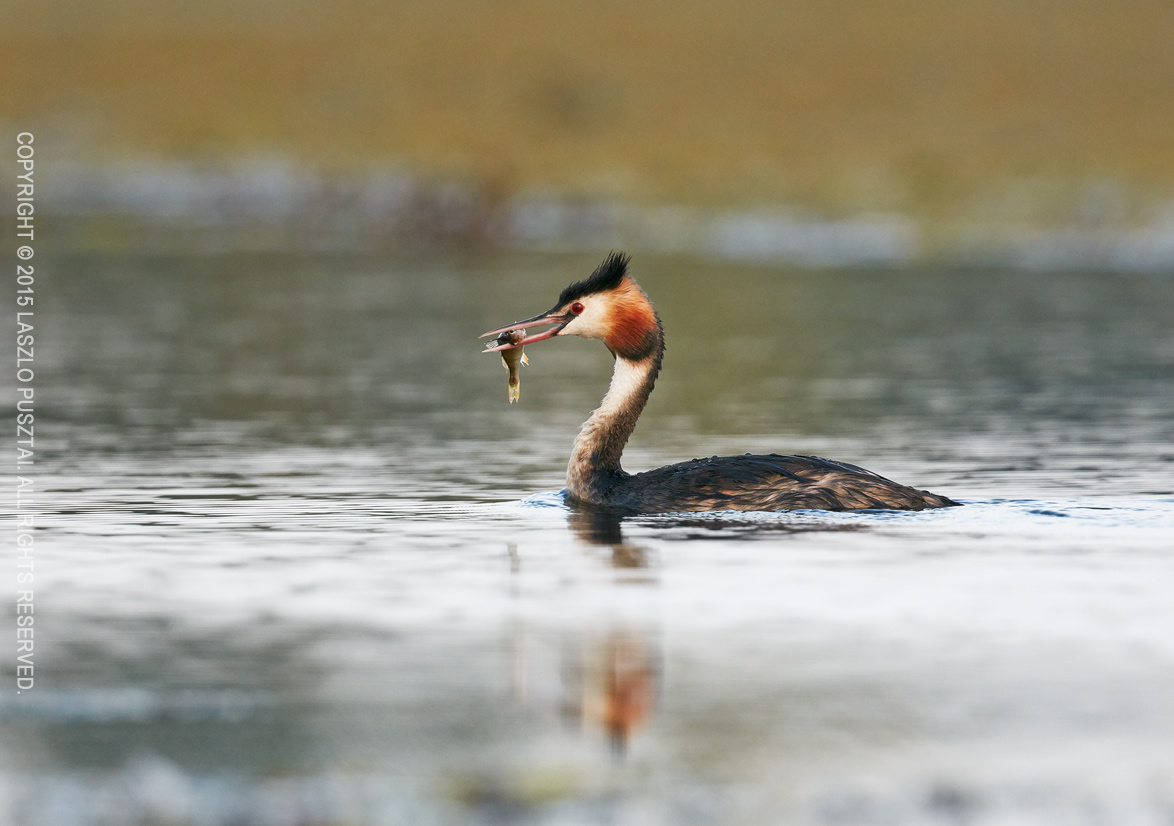
Breakfast for the nestlings

AF is superb. The best I’ve ever found on a Canon camera (excluding the 1D X, because of it’s faster focus driving speed). The only thing I miss is the AF mode selection lever of the 7D Mark II. I find myself reaching for the lever and cursing who’s responsible for this omission quite often.

A hot topic is the dynamic range of current Canon sensors. Well, while sometimes I would need more (maybe a handful of times during the last 12 years), what the 5DS R offers usually pretty much enough. Especially that I print my images where I have just 6 or 7 stops, and usually expose my images properly with no need to recover from the shadows. Also I like to utilize clipped highlights and shadows as artistic tools… So I’m not complaining on this front.

ddd

Good night!

As you may already think, I really like the 5DS R. It’s not the absolute fastest and the most suitable camera for bird photography, but those limitations are igniting my creativity and are not in the way of image making. It’s an exceptional tool for making the kind of photographs I have in mind.

Fall Colors – A Different Kind

Fall is the premier photography season for me. You get everything from bold colors, through creamy pastels, to the special atmosphere that morning and evening fog brings.

This year’s summer storms on Lake Tisza had wiped out lots of nests and birds are working a bit overtime to raise their nestlings. For me this provides great opportunities to combine fall colors into my bird photography.

sdf

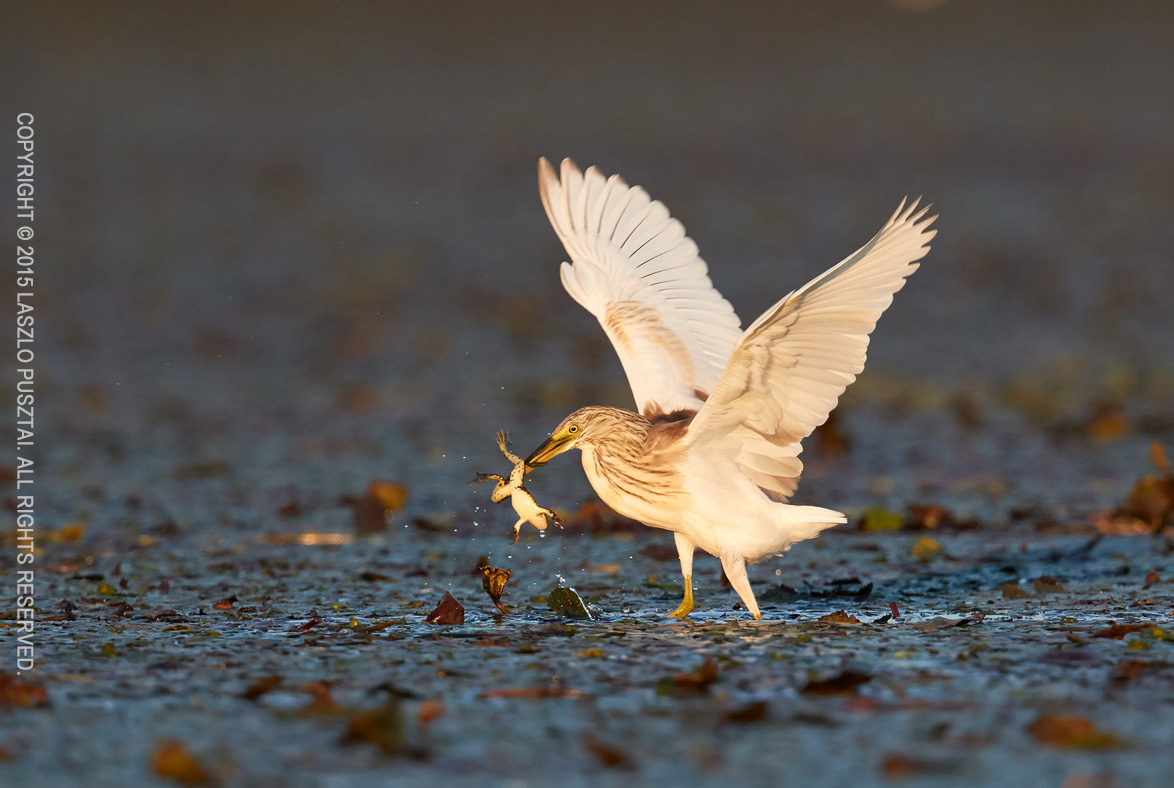
Squacco Heron Catching Frog

As the water starts to get clear and water chestnuts are dying, you get these metallic blues everywhere – even at places where you only see vast water chestnut carpets summertime. The golds and browns of Squacco herons provide dramatic contrast against the water – so much that I had to lower saturation significantly on the above image (made in warm evening light).

Photographed with a Canon 7D Mark II and the astonishingly wonderful EF 500mm f/4L IS II USM lens (plus a 1.4x III teleconverter). I’m using the 500/4 II for about 5 months now, and planning to post my review soon.

The Tiny General

Earlier this month I spent a few days on photographing whiskered terns. On Lake Tisza they pretty much ignore the “tourists” and with care and patience you can stay invisible in the colony without disturbing their daily lives.

And they do lots of interesting things: feeding, fighting, you name it, they do it. My favorite time there is when the chicks are still young and brown. But don’t get fooled by the tiny plumeballs – their behavior is fully tern-ish from day one.

The chick on the image below was asking for some delicious fish or frog (I guess, because stopped yelling after getting the bottom half of a frog) during the evening feeding session.

The Tiny General

The Tiny General