Cloudy Highland Evening

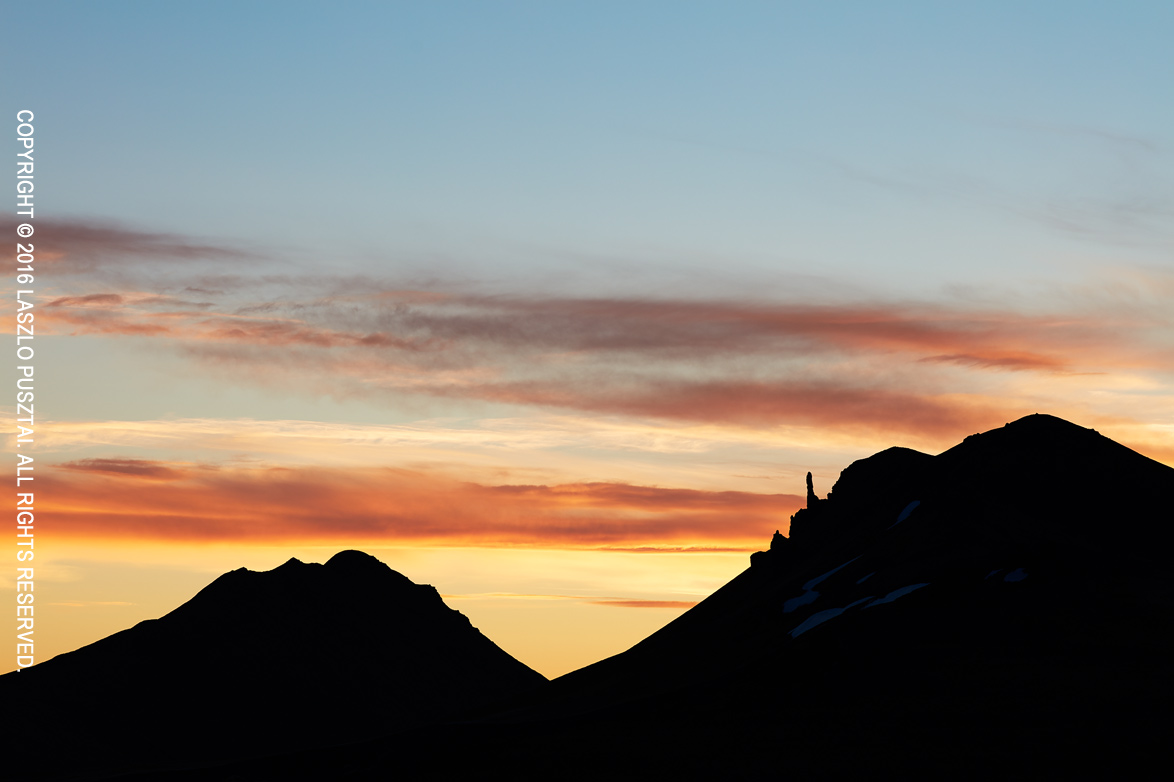
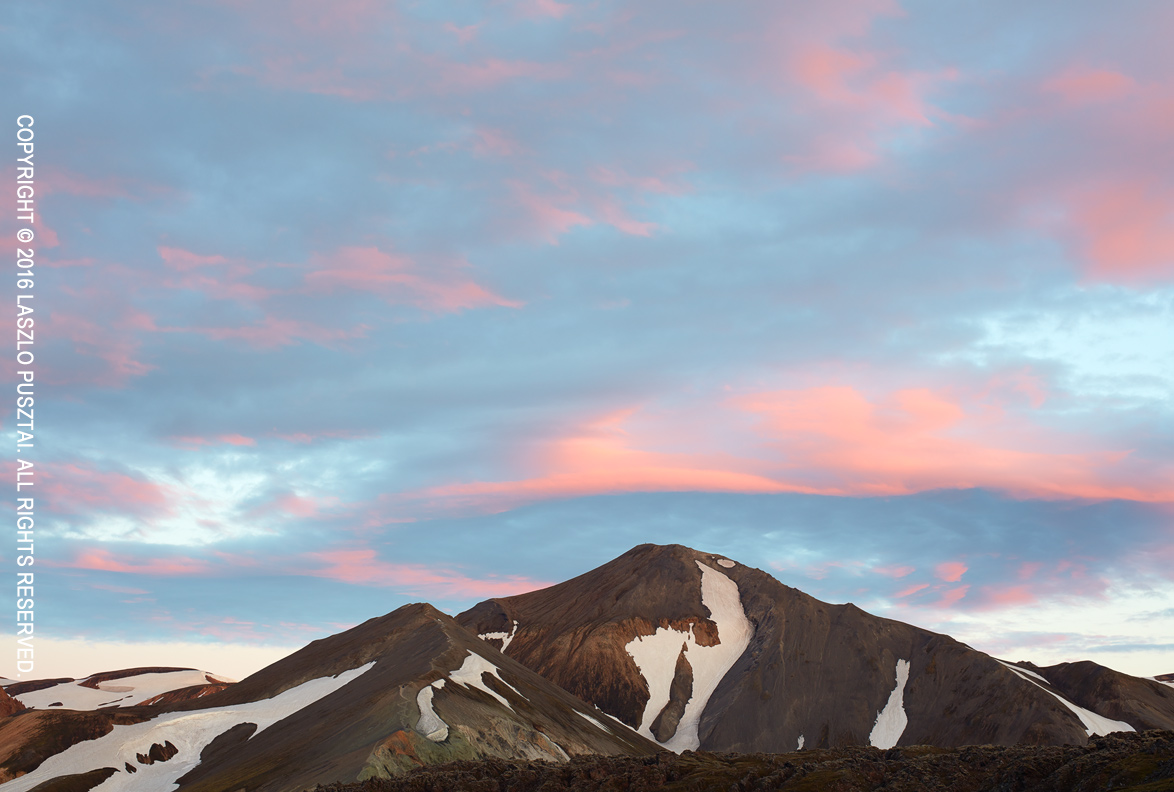
Weather is ever changing in Iceland. The forecast said partly cloudy (my favorite) for the highlands, but during the two hours it takes to drive from Reykjavík to the southern end of Kjalvegur it had changed completely. So much that we had two drive literally in the clouds on the way back. Fortunately the cloudy weather combined with the rugged mountains could present some great photographic opportunities.

Cloudy Highland Evening

Cloudy Highland Evening

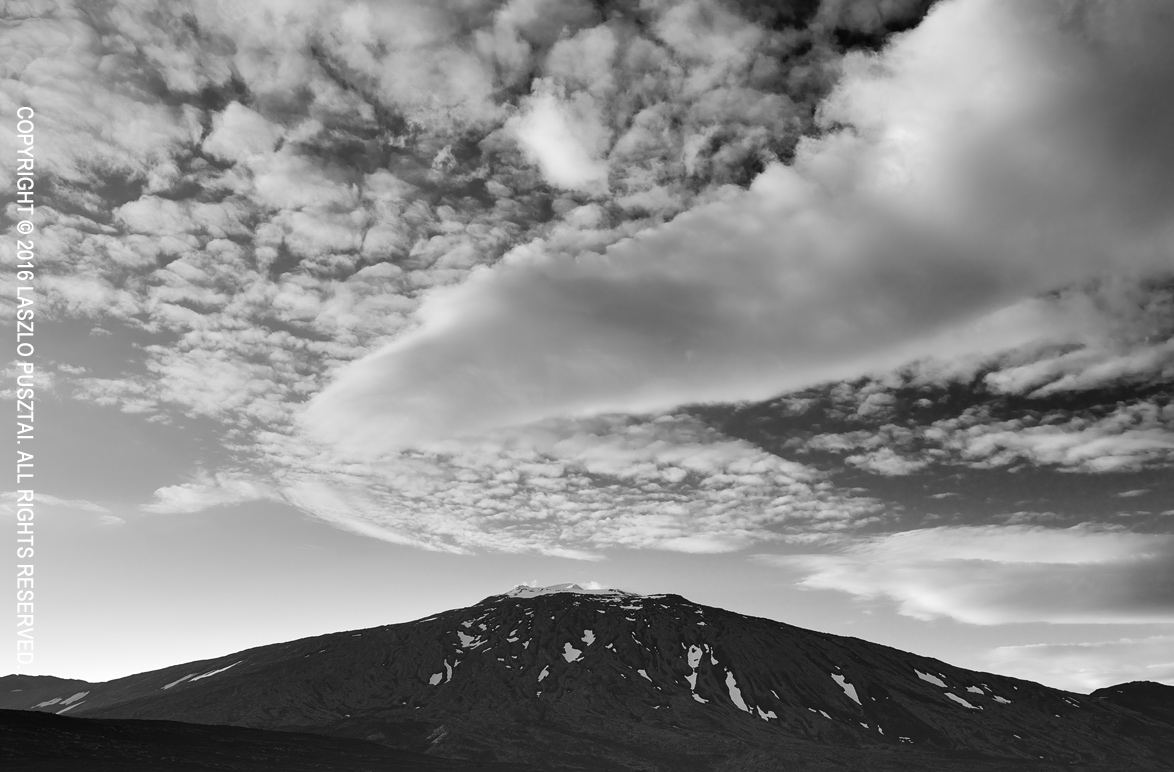
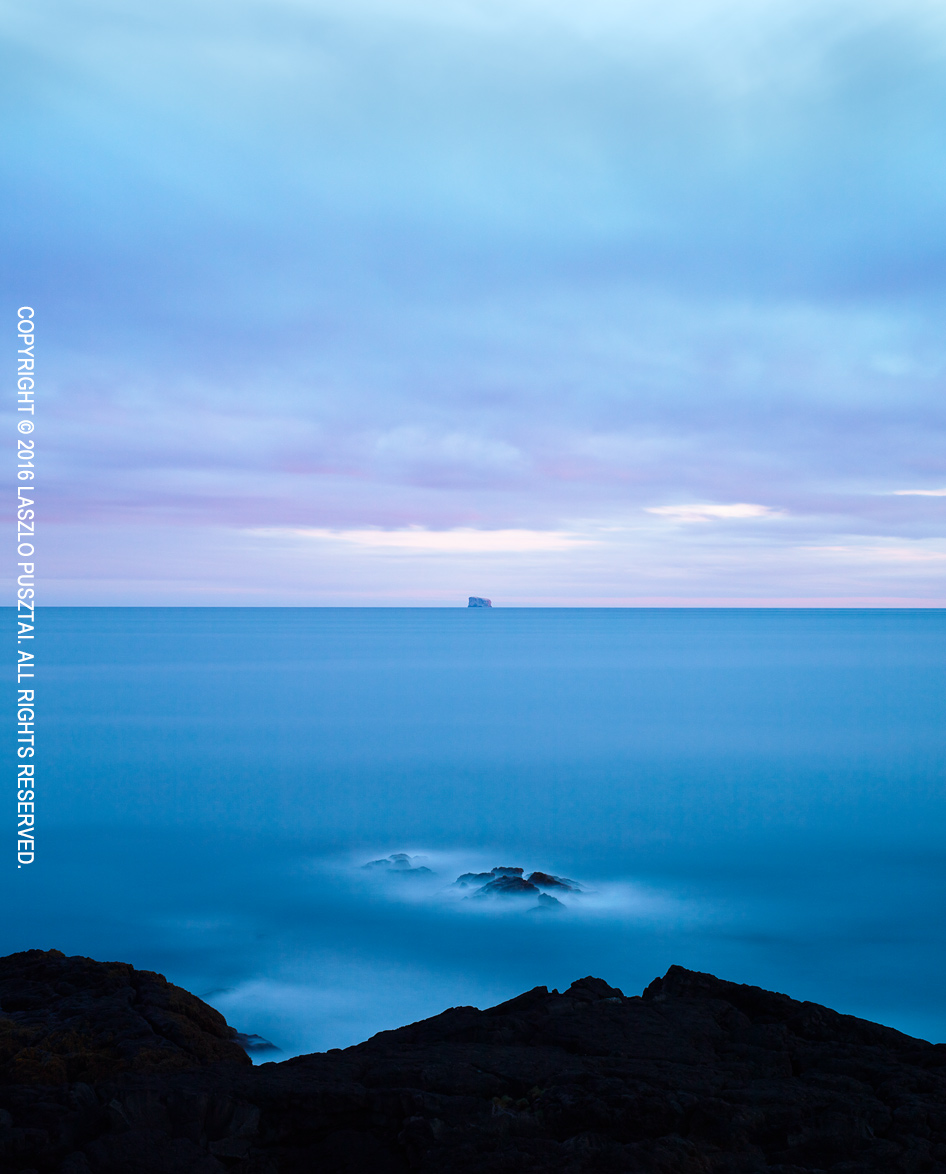
These kind of images with huge open sky over the landscape work really well with the immense resolution the Canon 5DS R and the Zeiss Otus 1.4/55 can deliver. Especially when printed large. While the eye can explore pleasing detail in the mountains, the large sky improves the feeling of being there. This is something I was unable to achieve with lower resolution images.

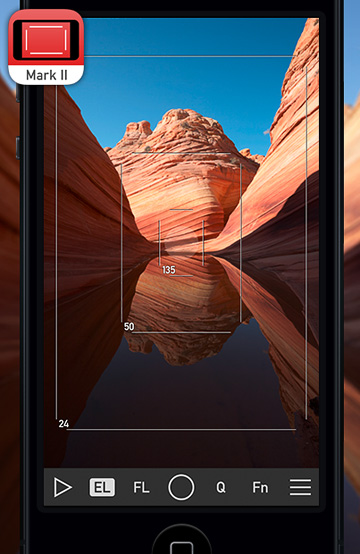
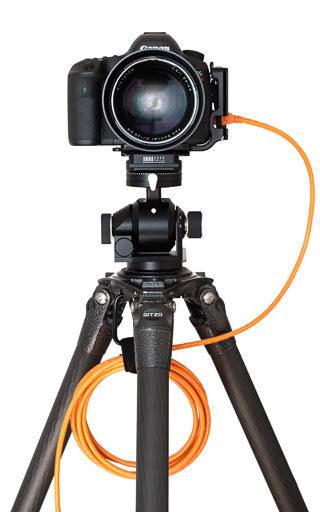
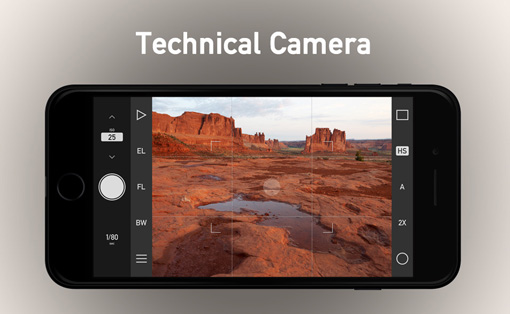
It was quite windy out there, so initial composition was made with the Mark II Artist’s Viewfinder from the comfort of the car. Focusing and exposure was done with Kuuvik Capture, and the car was used as a wind breaker. But despite this, I had to make several exposures since the fluctuating air can reduce sharpness when photographing distant objects with such a high resolution equipment.

Yet Another Puffin Portrait

I can’t help it – I like to shoot puffin portraits. Over time you see so many different faces, different personalities, different, but untold stories. The image below is one of my all time favorites.

It was shot at Látrabjarg, and I was quite shocked how much the bird colony shrunk during the last decade. And again, lots of people everywhere. Interestingly, tourists tend to cluster in all the wrong places – I was completely alone with 5-6 birds for an hour or so. In ideal light, ideal angle, ideal background. But this place was not marked with a “Lay here to photograph the birds” sign…

Yet Another Puffin Portrait

Yet Another Puffin Portrait

Shot with the Canon 1D X Mark II and 500mm f/4L IS II lens plus the 2x III teleconverter. It’s amazing how clear this ISO 1600 image is – not to mention the lovely colors.

Geysir – In a Different Way

I prefer to be alone (or with a few friends at most) when photographing. Which gets increasingly hard in Iceland. The number of tourists had already reached questionable levels, and the vast, empty land, one that you can roam for days without bumping to anyone seems to be a thing of the past. This really depresses me, so I might dedicate an entire post for the issue someday.

But a short-term mitigation is to go away from the crowd, simply acknowledging that some beauties of the country had been lost, and try to find those that escape the attention of the selfie-stick wielding masses.

Case in point. We spent the better part of the dawn at Geysir after the coolant leak discovery, and despite the early time of the day, quite a few real photographers (you know, the tripod-carrying type) and a dozen selfie-stick knights were surrounding Strokkur (the geyser that erupts every 10 minutes or so). So I walked around the colorful pools on the hillside, and wandered towards the geyser after which all other geysers in the world are named: Geysir. I’ve seen it erupting once 10 years ago, so who knows.

Geysír is Silent Now

Geysir is Silent Now

There was no eruption this time, but found something, a hidden treasure, that all others there at that morning blissfully ignored. It was kind of funny to see that I’m aiming my camera at the exact opposite direction of everyone else, a good 50m from the crowd… Maybe this is the key to survive photographically at this place at this time.

At the end, I’m very happy with this image of the sleeping giant. Made with the Canon 5DS R and Zeiss Apo Sonnar T* 2/135. Composition and focusing done in Kuuvik Capture.

Timeless Mountains

Mountains exist on a different time scale than we humans live our fleeting lives. Only if they could tell all those things they witnessed. Maybe that would be too much beauty and too much horror for us, and it’s better that they silently keep the planet’s secrets.

Timeless Mountains

Timeless Mountains

I wanted to wash away the lovely clouds to amplify the sense of timelessness, so I used a total of 16 stops of ND filtering: a LEE Big Stopper and a LEE Little Stopper stacked together (and sealed on the edge with gaffer tape to avoid light leaks and hot spots). It was a long trial and error to get enough sunlight on the mountain with the quickly changing cloud layers casting unwanted shadows here and there. I played for almost an hour, and the above image is the best one.

Taken with the Canon 5DS R and Zeiss Otus 1.4/28. Kuuvik Capture was used to control the long exposures.

Gullfoss in Pink

On the evening the image below was made we originally planned to go to the highlands of Iceland. But just a few kilometers into road F35 I noticed that coolant is leaking from our 4×4 – the culprit being a hole somewhere in the radiator. So we quickly abandoned the original plan. But while going back to Reykjavík, we stopped at Gullfoss, and subsequently at Geysír.

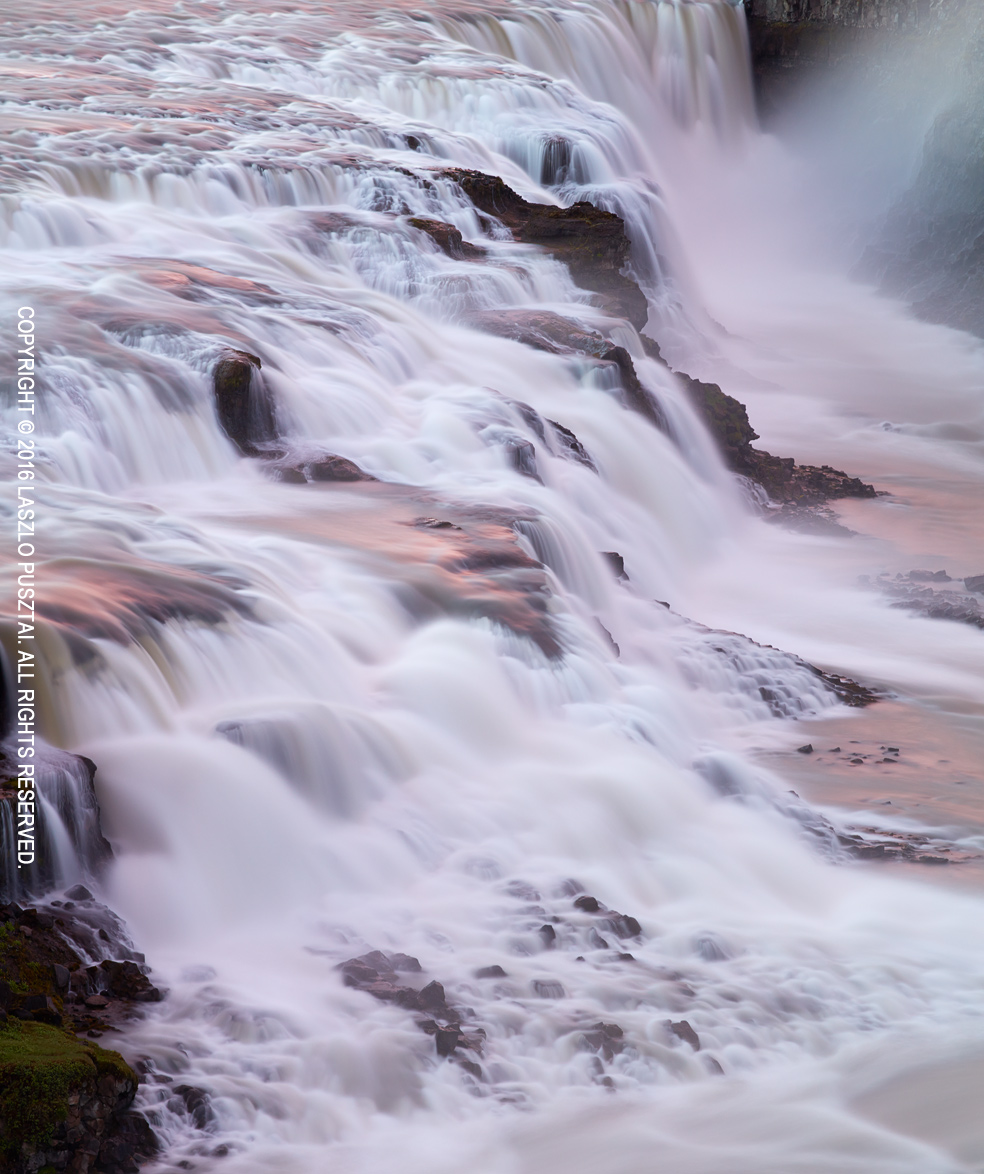
I have been at Gullfoss half a dozen times before, but never experienced such a colorful light show. The pink clouds reflecting from the water transformed the waterfall into a nacreous beauty. I was glad that we had to change the plan and came back.
Gullfoss in Pink

Gullfoss in Pink

The image really shines in a large print where the eye can enjoy the abundance of intricate details that the Canon 5DS R and Zeiss Apo Sonnar T* 2/135 can deliver. A LEE Big Stopper was also in use when making the exposure.

Canon EOS-1D X Mark II Review – Part 2

This is the second installment of my ongoing EOS-1D X Mark II review. You can read Part 1 here. My other posts comparing effective reach of the 1D X II with the 7D II and focus drive speed of different cameras including the 1D X II may also be useful for you.

Dynamic range

You may already saw at the usual camera testing sites that the 1D X Mark II has a dynamic range that’s practically identical to the competition, so “Canon is back in the game”. While this is true, let me approach the topic of dynamic range from another angle. Which is prints. I know that only a few of us print anything at all, and that may explain the number of people obsessed with the extreme dynamic range of today’s sensors. But in reality it is a double-edged sword.

Ink on paper has about 6 or 7 stops of dynamic range, so if you have anything with more range, you may need to be careful when preparing the prints to keep pleasing tonal relationships and prevent posterization. Too much contrast after setting the black and white points could also be an issue that needs to be mitigated. So the saying “be careful what you wish for – you may get it” is really holds in this situation.

Puffin Portrait at Látrabjarg

Puffin Portrait at Látrabjarg

Of course it helps in exposing naturally high dynamic range subjects, like the blacks and whites of puffins. But the dynamic range collapses quickly with increasing ISO, so you may not have that much to work with.

All in all, the 1D X Mark II is state of the art, but I had no complaints about the 5DS R either.

High ISO

As I mentioned in Part 1, I print large, and thus resolution is an important aspect of all images I keep. And despite the hype (may I call it marketing bullshit?) of the camera seeing in the dark in those extremely high ISOs, I consider 6400 the maximum usable ISO. Fine details are starting to get eradicated at 3200, though. The only use I have for the higher values is for preparing long exposure compositions.

I use the camera a lot with the 500mm f/4L IS II and the 2x III teleconverter, and my base ISO in this case is 800 – resulting in very clean images. The following image was taken with this combo at ISO 3200 during the Icelandic summer night.

Redshank at Night

Redshank at Night

RAW file bit depth changes a little with ISO changes. You get the highest usable bit depth (13.81 out of the theoretical maximum of 14) between ISO 125 and 200. At ISO 100, you get 13.71 bits, and 13.65 bits between ISO 320 and 51200. Higher bit depth meaning better tonal separation. I still have a habit to only use whole stop ISOs to avoid the ill-effects of digital compensation when using third stop values. At low ISOs (100 and 200) you have to make a tradeoff between dynamic range (better at ISO 100) or bit depth (better at ISO 200) based on what you photograph.

CFast 2.0 image corruption

Firmware 1.0.2 has been released yesterday to address the possible image corruption with SanDisk CFast 2.0 cards. I also experienced a corruption on my Lexar 3500x card. It looked different than the SanDisk issue, the image was cut after a few kilobytes. I don’t know whether the culprit was the card or the camera, but installed firmware 1.0.2 nonetheless. Should the problem happen again, I’ll let you know.

Resolving fine details

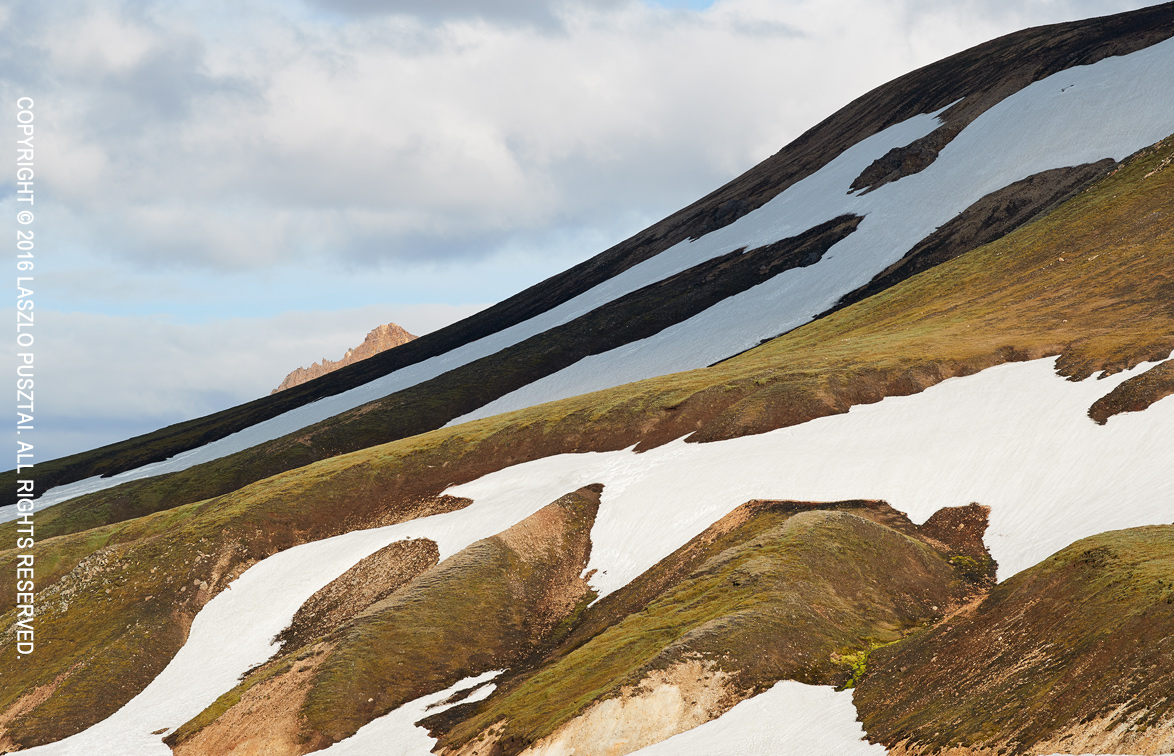
While shooting a couple of long exposure images, picked up the 1D X Mark II with the Zeiss Apo Sonnar T* 2/135 lens to make some detail shots, just like the following one. Handheld, since the tripod was already occupied by the 5DS R.

Landmannalaugar Detail

Landmannalaugar Detail

The camera is prominently useful for landscape work. While not in the realms of the 5DS R in terms of sheer resolving power, the images are full of fine details. It seems that Canon opted for a weaker anti-aliasing filter in this case (unlike my old 1D Mark II, which had a pretty strong blurring filter).

Due to the relatively low resolution, less shooting discipline is required. Shooting a 135mm manual focus lens handheld is not a problem (something I failed to do successfully with the 5DS R quite a few times). It is also less demanding on lens quality (although using high quality glass pays off), and you can stop down to f/11 without diffraction becoming an issue. All these add up to a more casual shooting experience than the 5DS R.

So I arrived to a very interesting point. While both the 5DS R and the 1D X Mark II have their strengths in different areas, and I prefer to choose them based on these strengths for each image, the other one could do almost as well. I would be in deep trouble if I could keep only one of them.

To be continued…