When Puffins Dance

We were driving home from the central highlands, and since road quality gets worse every week I didn’t want to stop or slow down (one trick to maintain comfortable ride on washboards is to keep the speed upward of 60km/h). I said to Agnes: “we’ll stop only if we see puffins dancing on the back of a whale”.

Soon a lovely sunset started to unfold. Nicer colors with every minute. Like several times, it was nice, but saw no image. Then suddenly looked to the left – and pushed the brake to the metal. Yes, I saw the puffins dancing.

A Stormy Night Falls

A Stormy Night Falls

This is something you can’t plan for. A small hole opened in the clouds, and the last rays of the Sun illuminated just the center mountain – leaving everything else in the dark.

It was a magnificent view, but had to act quickly. Set the tripod and camera up in less than 30 seconds, and had enough time to take four frames before the light vanished. The whole event lasted about a minute.

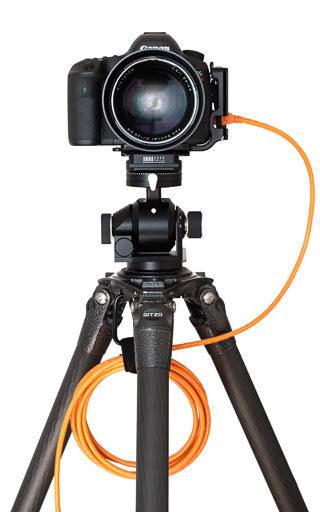
Taken with the Canon EOS 5DS R and Zeiss Apo Sonnar T* 2/135 lens.

Performance is a Key Kuuvik Capture Feature

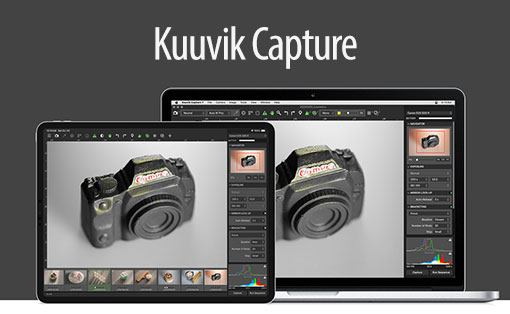
Since I took over Kuuvik Capture last year, one of my top priorities is to provide the fastest, highest performance tool possible. While the original company arrangement did not allow for costly, time consuming optimizations required to reach the speed I wanted, now I can spend all my spare time on it. And the results are stunning. Just think the brutal improvements version 2 brought to the table…

These days I’m doing some groundwork that will make exciting new features possible in Kuuvik Capture (and also serve as a base for upcoming products). And improving performance along the way.

Kuuvik Capture 2.5 Beta

Kuuvik Capture 2.5 Beta

No more Windows leftover

Originally Kuuvik Capture was designed to be able to run on both OS X and Windows, and we used a bunch of readily available software components (Canon’s own SDK and libraw for example), which turned out to be a bag of ugly worms. I had spent several long days on wrapping those components to make them usable and reliable.

This “wrapper” was able to run on both operating systems. On top of this, the operating system specific “engine” connected the “wrapper” to the user interface and provided services to the “wrapper” (such as proper asynchronous camera communication – something that Windows completely lacks).

With version 2 I had already replaced these problematic components with my own code, but parts of the “wrapper” and the “engine” were still present. Since we decided to drop any and all Windows plans, there was no need for them – my Digital Camera Library and the user interface could talk directly. So I started to gradually remove them, which task is finished by now.

During the removal I had not just eliminated several thousand lines of code, but since there’s less machinery involved, camera communication became faster and consumes less battery. Image download from the 5DS R is 1% faster compared to version 2.4, and overall communication is up to 5% faster compared to 2.0 (measured on my mid-2012 15″ Retina MacBook Pro). This seems a small number, but think about it this way: you can take 1-5% more shots on a charge.

Even faster RAW decoding

I’m using a lossless jpeg decoder based on dcraw‘s routines to open the RAW files. This had one drawback: dcraw was not designed to be able to work on multiple images simultaneously – something I need for my future plans. Not to mention that I also had to work around this limitation in Kuuvik Capture.

Fortunately I found and fixed the issue, and my decoder not just works parallel on multiple processor cores, but also crunching numbers faster. I measured 5-6% faster file opens (with 50 megapixel files on my MacBook Pro).

When?

These improvements will be available in Kuuvik Capture 2.5 later this fall.

Looking Through

Windows are one of my favorite architecture subjects. I can’t help it, I photograph them everywhere I go. But its a rare occasion to have two windows perfectly aligned on the opposite sides of a small church with no furniture or anything else in between. Not to mention the interesting patterns of both the walls and the roof.

Looking Through

Looking Through

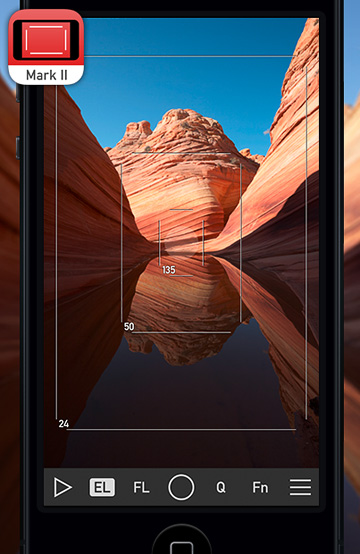
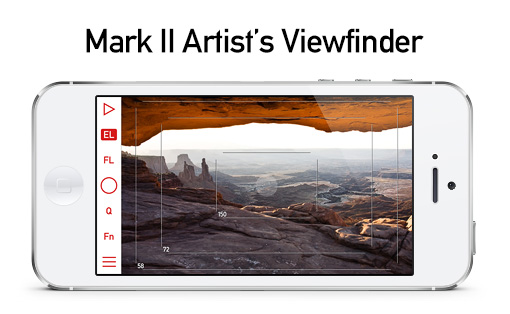
I had played a little around with the Mark II Artist’s Viewfinder to find the best place for the camera. And when I saw the above composition on the screen, I started smiling. It was quite a bit of work to get everything aligned perfectly (guidelines in Kuuvik Caputre helped a lot), as well as to get the Zeiss Apo Sonnar T* 2/135 focused properly (you know, field curvature).

Polishing in Progress

Oceans are the great stone polishers. They start with rough cliffs and grind them into perfectly round pebbles. But I find the middle of this process filled with irregular shapes, sizes and chaotic arrangements the most interesting.

Polishing in Progress

Polishing in Progress

Taken with the Canon EOS 5DS R and Zeiss Otus 1.4/55 lens. Originally composed with the Mark II Artist’s Viewfinder and captured (after having a nice coffee and cake in the nearby cafe) with Kuuvik Capture 2. The exposure was elongated with a LEE Big Stopper.

It’s All White in the Beginning

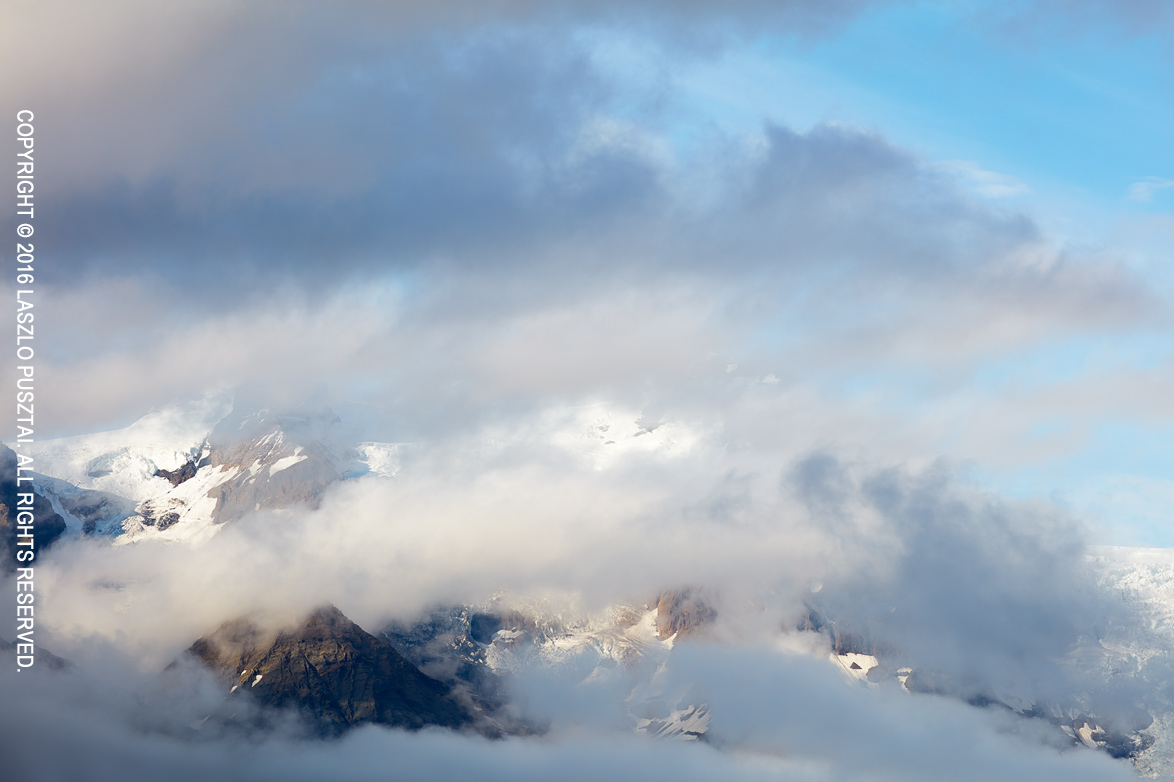
All glaciers start out as a spotless pure white blanket, gaining more – darker – colors as they proceed downhill. The result is a rich variation of forms, sprinkled with subtle blue tones, but these details may lay so far away that you need a long lens to extract them.

It's All White in the Beginning

It’s All White in the Beginning

This is why I always carry a 500mm telephoto, and consider it a great landscape lens. Actually landscape use was one of the deciding factors between the 500 and the 600.

Shot with the Canon EOS 5DS R and EF 500mm f/4L IS II USM lens. The new Mark II provides enough resolution to feed the hungry 5DS R sensor.

The Choice

From time to time travelers had to make a choice. From the outside, from the surface, it may look like simply taking the bright path or the dark path. But in reality one rarely chooses between two possibilities. And even in darkness, one’s inner Sun may shine or it could fade in blinding light.

The Choice

The Choice

Photographed with the Canon EOS 5DS R and my custom modified Zeiss Distagon T* 2.8/15. The camera was controlled with Kuuvik Capture.