Shooting a Waterfall in the Rain

One of the things I had learned during the last decade is that image making is a pursuit that involves a healthy amount of plastic bags and gaffer tape to solve various problems.

Let’s take the following image for example.

Smooth and Rough

Smooth and Rough

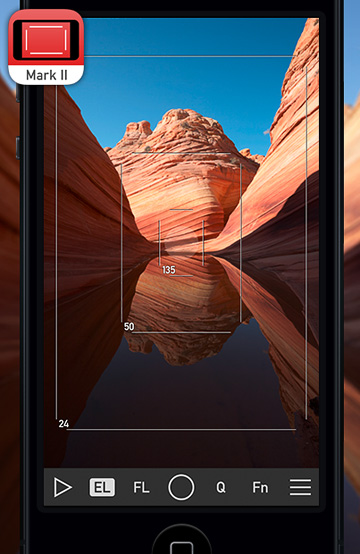
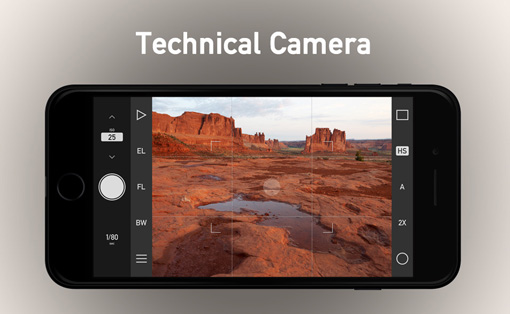
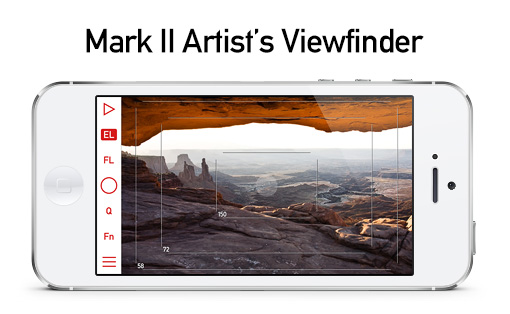
There was a light rain when we arrived, not to mention the water droplets from the waterfall that the wind slammed in our face. It was a blessing to walk the scene with the Mark II Artist’s Viewfinder with no need to open the backpack and soak several lenses just to find a composition.

In my favorite composition (of the several I tried in just a few minutes) I wanted to emphasize the clash of dark rough rocks and light smooth water. So I needed a long exposure to smooth out the water flow. Unlike the 5DS R, none of my Zeiss lenses are weather sealed. And water accumulating on the LEE Big Stopper is also problematic. Since I don’t carry an umbrella (which would be the trivial solution), I used the largest water-resistant thing in my bag: the Shadepirate flag in the plastic bag I used to carry it in.
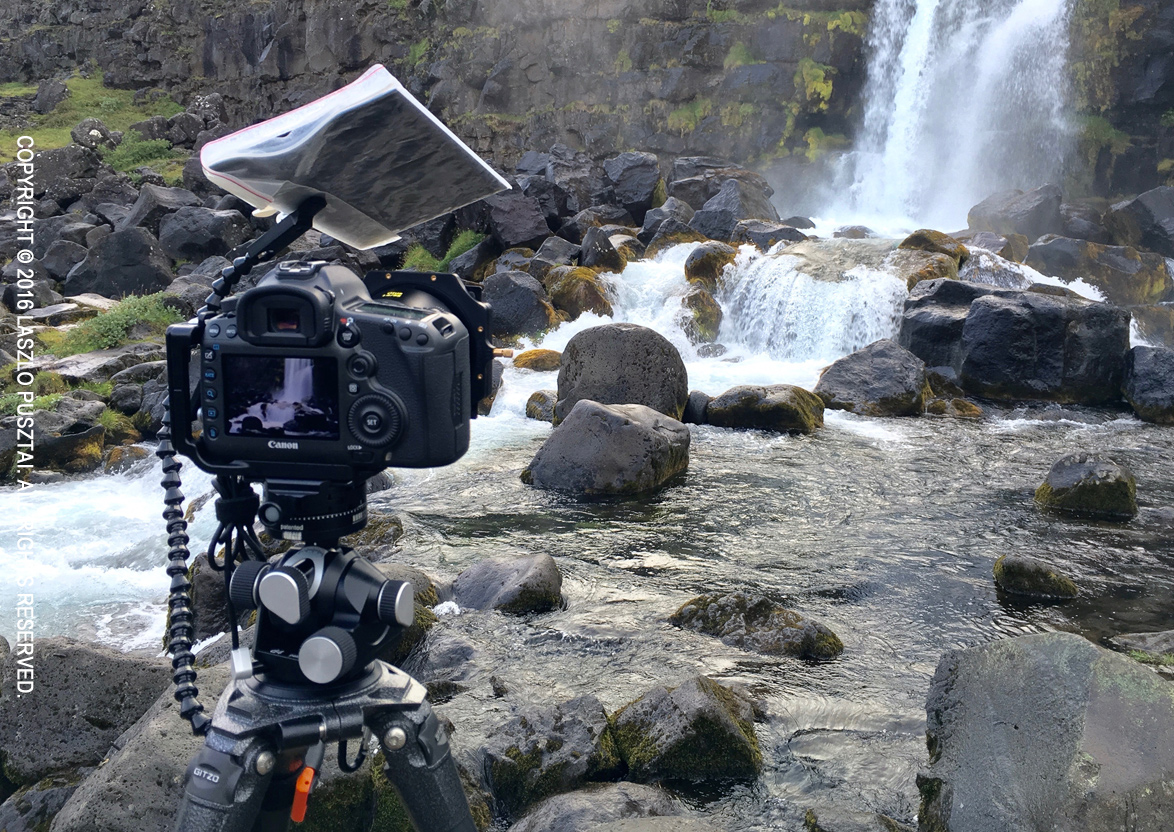
Shadepirate flag functioning as an umbrella

Shadepirate flag functioning as an umbrella

Some extra light also came from the direction of rain/water so the flag actually served double-duty. The setup worked quite well, and had to wipe just a small amount of water from the filter between exposures.
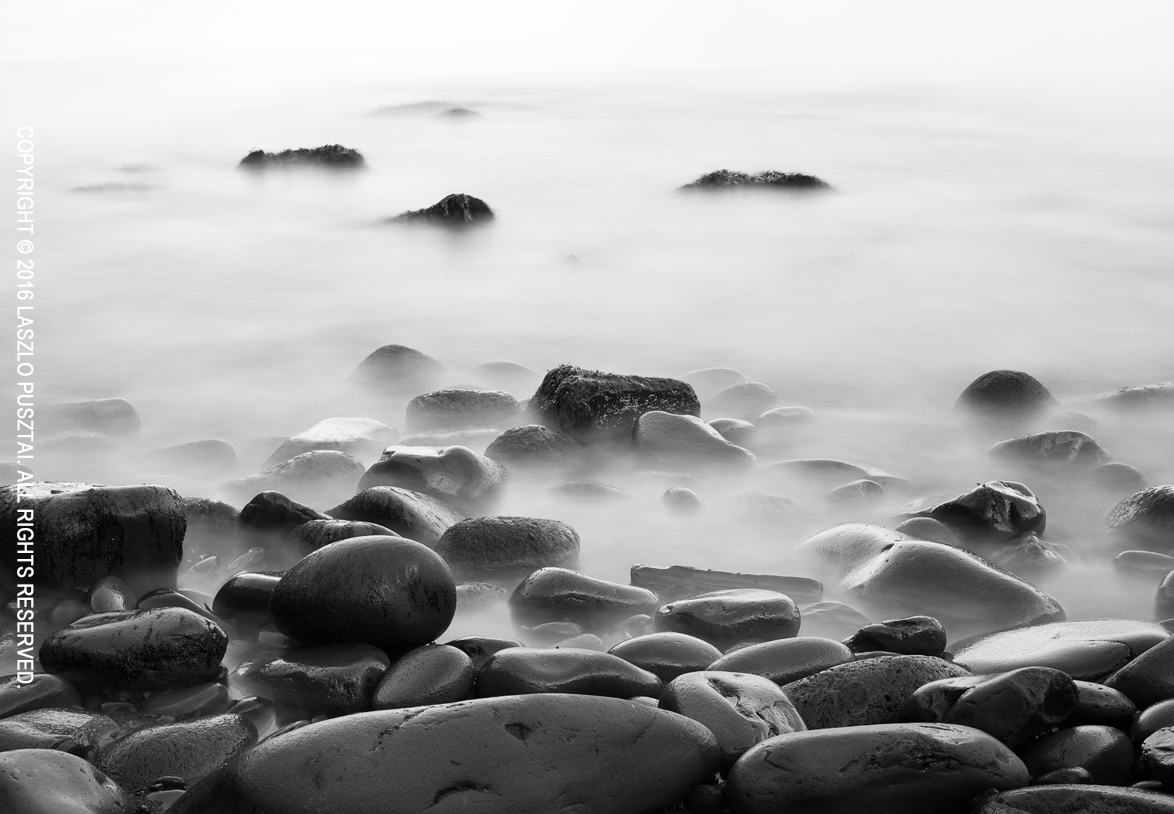
Polishing in Progress

Oceans are the great stone polishers. They start with rough cliffs and grind them into perfectly round pebbles. But I find the middle of this process filled with irregular shapes, sizes and chaotic arrangements the most interesting.

Polishing in Progress

Polishing in Progress

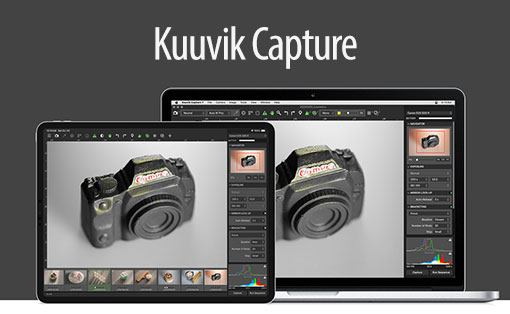
Taken with the Canon EOS 5DS R and Zeiss Otus 1.4/55 lens. Originally composed with the Mark II Artist’s Viewfinder and captured (after having a nice coffee and cake in the nearby cafe) with Kuuvik Capture 2. The exposure was elongated with a LEE Big Stopper.

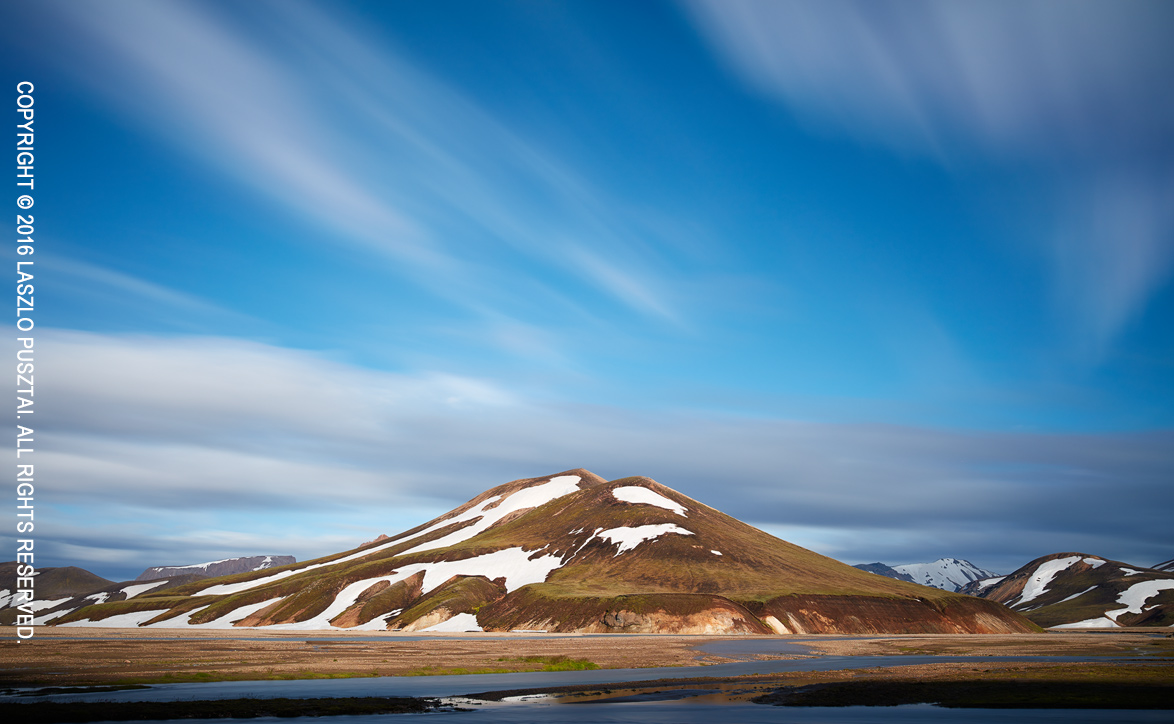
Timeless Mountains

Mountains exist on a different time scale than we humans live our fleeting lives. Only if they could tell all those things they witnessed. Maybe that would be too much beauty and too much horror for us, and it’s better that they silently keep the planet’s secrets.

Timeless Mountains

Timeless Mountains

I wanted to wash away the lovely clouds to amplify the sense of timelessness, so I used a total of 16 stops of ND filtering: a LEE Big Stopper and a LEE Little Stopper stacked together (and sealed on the edge with gaffer tape to avoid light leaks and hot spots). It was a long trial and error to get enough sunlight on the mountain with the quickly changing cloud layers casting unwanted shadows here and there. I played for almost an hour, and the above image is the best one.

Taken with the Canon 5DS R and Zeiss Otus 1.4/28. Kuuvik Capture was used to control the long exposures.

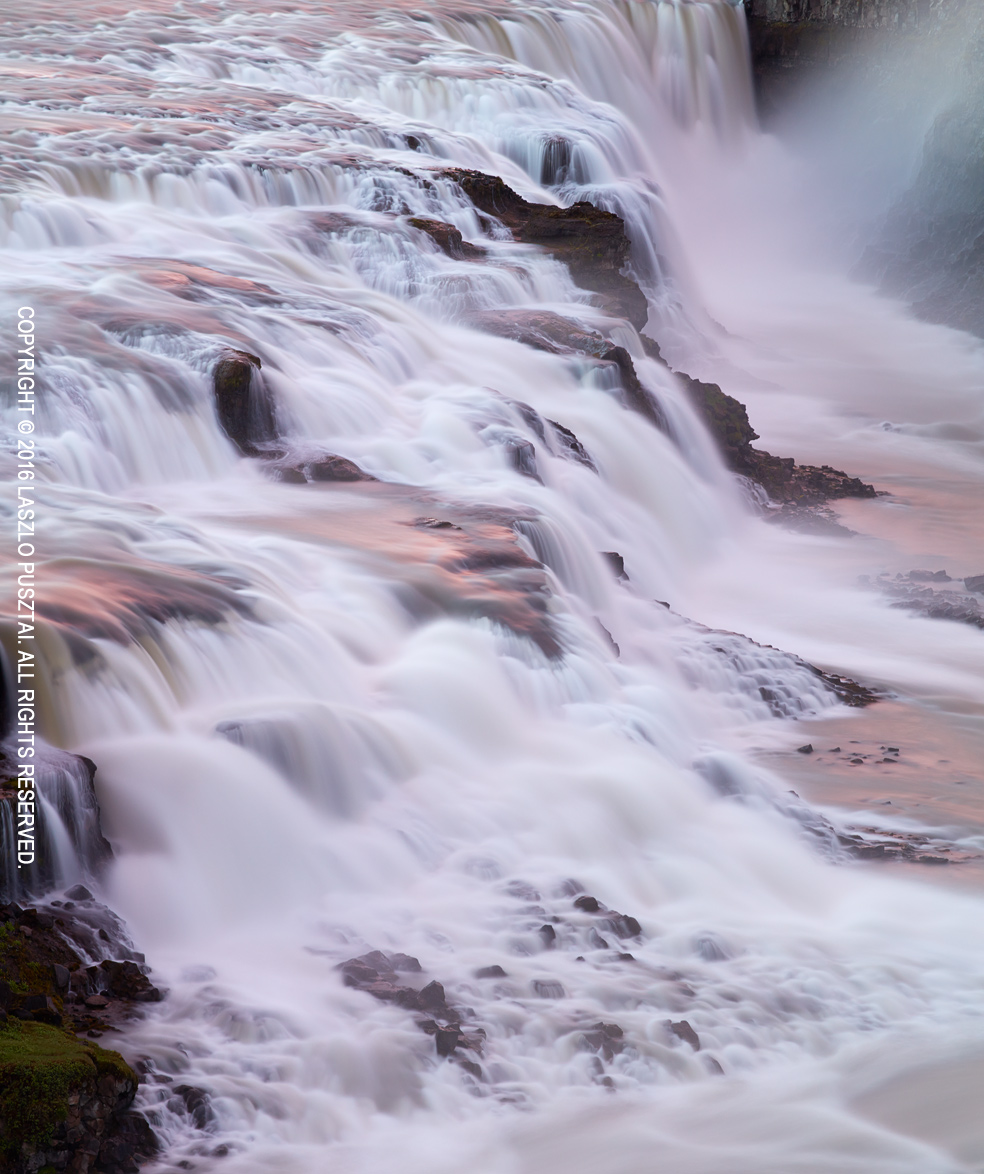
Gullfoss in Pink

On the evening the image below was made we originally planned to go to the highlands of Iceland. But just a few kilometers into road F35 I noticed that coolant is leaking from our 4×4 – the culprit being a hole somewhere in the radiator. So we quickly abandoned the original plan. But while going back to Reykjavík, we stopped at Gullfoss, and subsequently at Geysír.

I have been at Gullfoss half a dozen times before, but never experienced such a colorful light show. The pink clouds reflecting from the water transformed the waterfall into a nacreous beauty. I was glad that we had to change the plan and came back.

Gullfoss in Pink

Gullfoss in Pink

The image really shines in a large print where the eye can enjoy the abundance of intricate details that the Canon 5DS R and Zeiss Apo Sonnar T* 2/135 can deliver. A LEE Big Stopper was also in use when making the exposure.

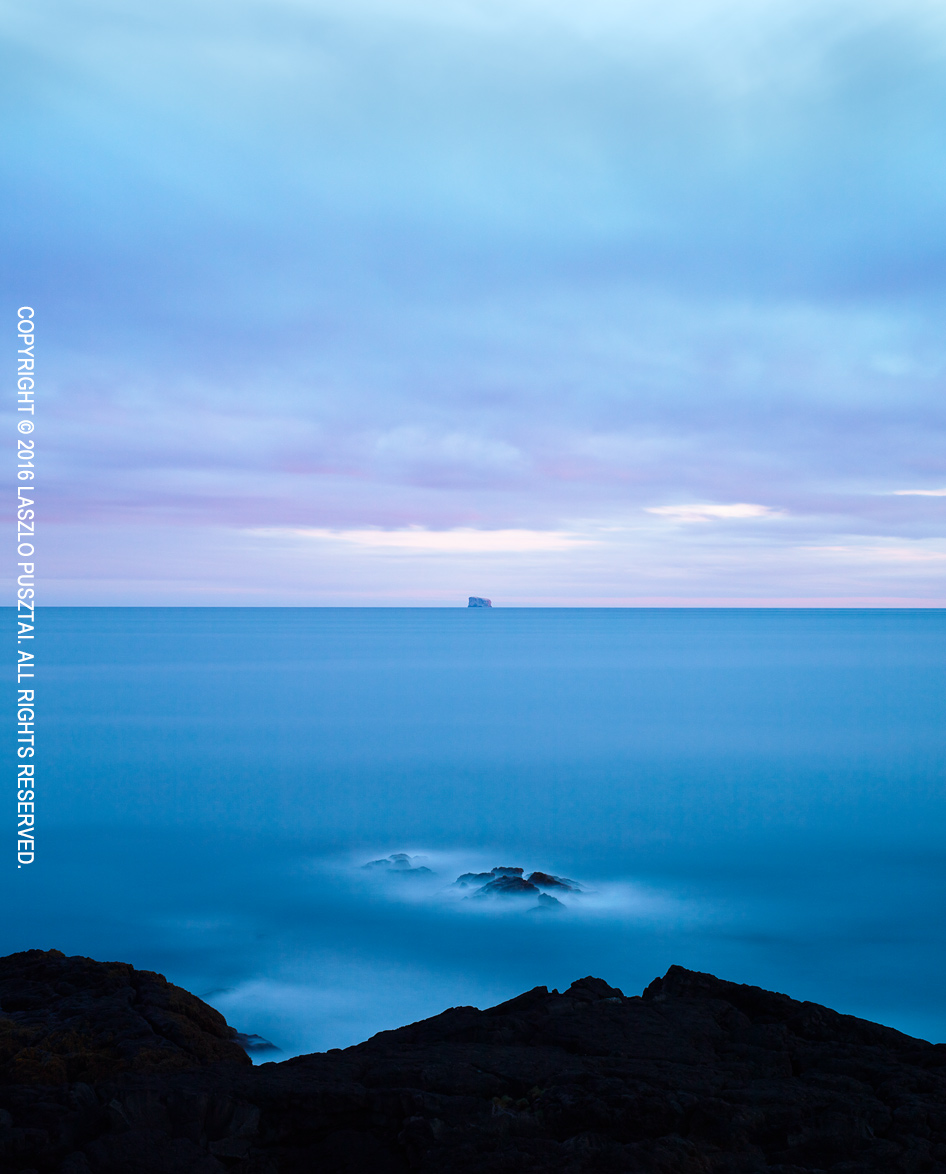
Eldey Blue Hour

While waiting for the car’s coolant leak fix, we’re limited to exploring areas closer to Reykjavík. But there are a couple of interesting places in the Reykjanes peninsula, so there’s no time wasted. One of my favorites is the area surrounding the Reykjanesviti lighthouse.

It was 10 years ago that I photographed Eldey island (the 70m bare rock that’s the home of the largest gannet colony in the North Atlantic). At that time I experimented with infrared, so I tried long exposures now.

Eldey Blue Hour

Eldey Blue Hour

Taken with the 5DS R and Zeiss Otus 1.4/55 plus the LEE Big Stopper and another 3-stop ND stacked. The exposure time was 10 minutes. To my surprise, these exposures ended up quite noisy until I turned on long-exposure noise reduction (dark frame subtraction) in the camera. The auto setting doesn’t seem to work.

This dual ND setup needs a bit of edge sealing. As usual, gaffer tape to the rescue… My favorite tape now is the microGAFFER, which occupies only minimal space.

Dual ND edge sealing

Dual ND edge sealing

You may wonder why I used the good old cable release instead of Kuuvik Capture. Well, it’s pretty hard to do that with the USB cable left on your desk at home…

Accessories to Get the Most Out of Your 5DS R

The Canon EOS 5DS R is indeed a great camera, rivaling or even surpassing medium format digital offerings. But to extract its capabilities to the last ounce, you’ll need the appropriate lenses, accessories and technique.

Let’s get the lens question out of the way first, before I move onto the accessories and gadgets – the real topic of this post. This camera ignited a complete revamp of my lens set. I’ve already replaced the 500mm with the Mark II because of the 7D Mark II, but the 5DS R made changes also necessary in the shorter focal lengths range. The first lens that got replaced was the 135mm – with the Zeiss Apo Sonnar 2/135 ZE replacing the Canon EF 135mm f/2L USM. The Canon was no slouch, but the Zeiss is in a completely different league. Next came the Sigma 50mm f/1.4 Art replaced with the Zeiss Otus 1.4/55 ZE (actually this change is in progress, as the first copy went back to Zeiss – more on it after the issue settles). On the wide end I’m about to acquire a Zeiss Otus 1.4/28 ZE (when it comes out next year) and a Zeiss 2.8/15 ZE.

It may look pricey at first, but these lenses are not comparable even to the Sigma Arts. With the Sigma 50, 5DS R images just look like regular 35mm DSLR images, albeit with slightly higher resolution. But they are still limited to 40×60 cm print sizes according to my standards. There’s a lot of empty magnification in those images. With the Otus 55, 60×90 cm is easily reachable. The images remind me of those I saw from Hasselblads. The Otus 55 costs around $4000, which is in line with medium format normal lens offerings priced between $3000 (Schneider) – $6000 (Leica). And the 5DS R is more than affordable compared to medium format cameras/backs.

With this said, it’s not surprising that you’ll need tripod stability and shooting discipline used with medium format gear. The setup I describe in the following sections was built slowly during the last couple of years to satisfy my landscape photography requirements. Removing “field frustrations” one by one.

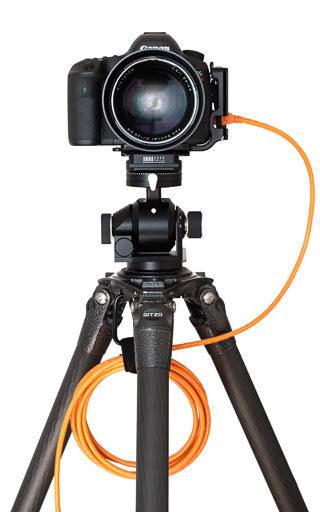
As a quick overview, you can see my rig on the following picture.

Ready to shoot

Ready to shoot

Tripod and Head

I’m using a Gitzo 3532LS tripod for more than three years now. These legs proved to be versatile, have great torsional rigidity and dampen vibrations rather quickly. I prefer three legs sections for increased stability, and myself being 172 cm, this tripod gives me just the right height to work comfortably even on slopes.

On the head front, the Arca-Swiss d4 is my choice. I had been struggling with ballheads for a decade, and they became unbearable when I started to shoot tethered most of the time. I had to wait three months for the d4 to be delivered, but it well worth the wait. Now I can adjust the camera position with just one hand, while holding the MacBook Air in the other. Not to mention that sagging omnipresent even with the best ballheads is a thing of the past. I prefer the d4 compared to the Cube, because of the quick adjustment feature.

The third piece of the the support puzzle is the camera plate. I’ve relocated my Kirk plate from the 5D Mark III – it is 100% compatible. As I wrote in my Kirk plate first impressions piece, I really like its two attachment point fixing method. Together with the 5DS R’s reinforced base plate, it provides very stiff support. Note that no battery grips are used here – they just introduce another attachment point with possible flex and sag.

Filters and Lens Shading

I moved to the LEE filter system when I started shooting with primes only. Four different filter sizes were unmanageable – even with the two types of filters (ND and polarizer) that I use. Still don’t like graduated filters and the dark mountain tops you see so many times on photographs made with them, and my LEE filter set consists of just a 100x100mm polarizer, a 3 stop ND, plus the Little and the Big Stopper.

They beautifully solve the filter thread problem, but forget about stock lens shades. So I had to find a solution. Sometimes I used my hat to shade the lens front element, and that gave me the idea: get a piece of black paper/plastic, and figure out how can I hold it in place (remember, one hand for adjusting the head/camera/lens, another for the MacBook – there’s no third one for holding the shade). I ended up using a Wimberley Plamp as a third hand. Originally I had a piece of black cardboard in my bag as a shade, but recently switched to a piece of matte plastic named Shadepirate. You can’t see on the above picture, but I put a piece of Velcro under the clip of the Plamp to protect the tripod leg.

Tethering

Tethering became integral part of my workflow years ago. At the beginning I had been dragging a 15″ MacBook Pro around, but that turned out to be a bit heavy and problematic. For more than a year now, a 11″ MacBook Air serves as a field computer. It fits into the pocket of my Domke vest, weights as little as five or six 4×5″ film holders… Yes it’s a bit more than 1kg, but my backpack and tripod weighs around 20kg together, so that’s not a huge increase.

Of course I use my own software – Kuuvik Capture – on the MacBook for controlling the camera. But usually also keep a copy of Capture One open so that I can make critical decisions on the filed.

With the arrival of USB 3, cable quality became increasingly important. You need to have good signal integrity for a reliable connection. For this reason, I settled down with TetherTools’ TetherPro cables – currently the 15 feet (4.57m) orange one. As an interesting side note, we had a handful of Kuuvik Capture support incidents where changing the cheap cabling to a good one solved the issue.

Conclusion

For me, the 5DS R marks the end of the casual 35mm shooting era, but in exchange delivers image quality previously available only with much more expensive medium format systems. Even with expensive Zeiss glass, the complete system price/performance ratio remains on a uniquely high level.

Not to mention that the same camera can be used for birding with stellar results – a domain no medium format camera dare to enter.

  ☕ ☕ ☕

Did you enjoy this post? Consider buying me a coffee if so.